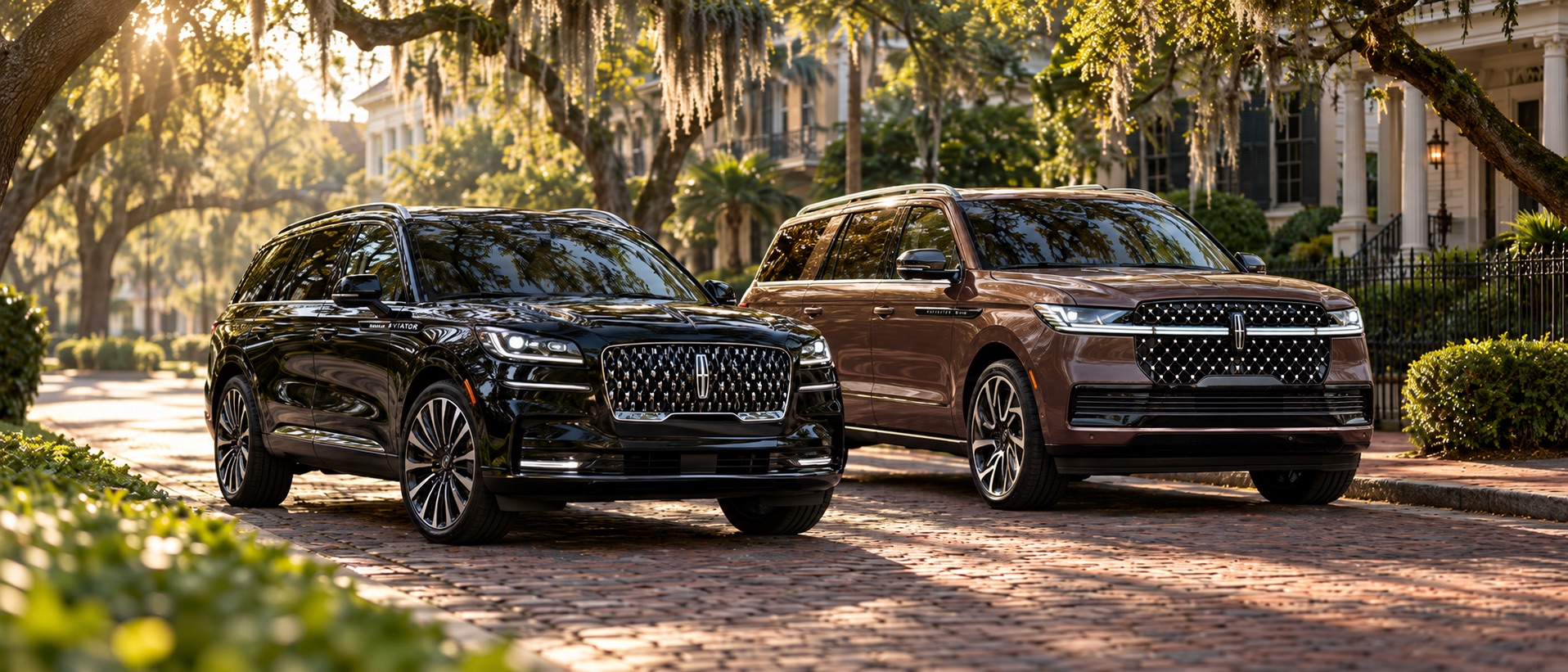
Lincoln Aviator and Navigator luxury SUVs parked along a Savannah street beneath moss-draped live oak trees in the morning.

J.C. Lewis Lincoln | Three-Row SUV Comparison Guide

Best Three-Row Luxury SUVs: Compare Seating, Cargo Space and Family Comfort

Three rows are only the beginning. The right SUV fits your passengers, your luggage, and the family routine you actually live.

At J.C. Lewis Lincoln, we help families compare luxury seating, third-row access, and the space left for bags when every seat is occupied. Explore 11 three-row SUVs, including the 2027 Lincoln Aviator and 2026 Lincoln Navigator, to see when a midsize SUV is enough and when moving to a full-size Navigator L pays off.

Three-Row Luxury SUVs: Quick Answers

Best Lincoln three-row SUV for daily family use? The 2027 Aviator seats six or seven and offers 16.5 cubic feet of cargo room behind its third row.


Best Lincoln for a full third row and vacation luggage? Choose the 2026 Navigator L: it holds 36.1 cubic feet behind row three, compared with 21.6 in standard Navigator.


What number should families compare first? Cargo capacity behind the upright third row. Maximum cargo volume with seats folded does not describe what fits with six or seven people aboard.

Model Seats Cargo behind row 3
2027 Lincoln Aviator 6–7 16.5 cu. ft.
2026 Lincoln Navigator 7–8 21.6 cu. ft.
2026 Lincoln Navigator L 7–8 36.1 cu. ft.
2026 Lexus TX 6–7 20.2 cu. ft.
2027 Kia Telluride (gas) 7–8 22.3 cu. ft.
2026 Cadillac Escalade ESV Up to 8 41.5 cu. ft.

U.S. manufacturer-published figures for the listed model years and configurations. Brand measurement conventions and seat positions can differ; compare with your own luggage before buying.

Choose Your Three-Row SUV Priority

Do You Need Midsize Flexibility or Full-Size Cargo Room?

Select a category, then move through the vehicle tabs. Every model is evaluated for row-three usability, space behind occupied seats, and passenger comfort.

Three-Row SUVs | 6 Vehicles

Best Midsize Three-Row SUVs: Which Holds Your Family Best?

Six contenders compared through a family lens: six-versus-seven/eight-passenger seating, access to the back, real cargo capacity, and premium amenities.
Choose a Three-Row SUV or Use Previous/Next

Vehicle 1 of 6 | Three-Row Luxury SUV

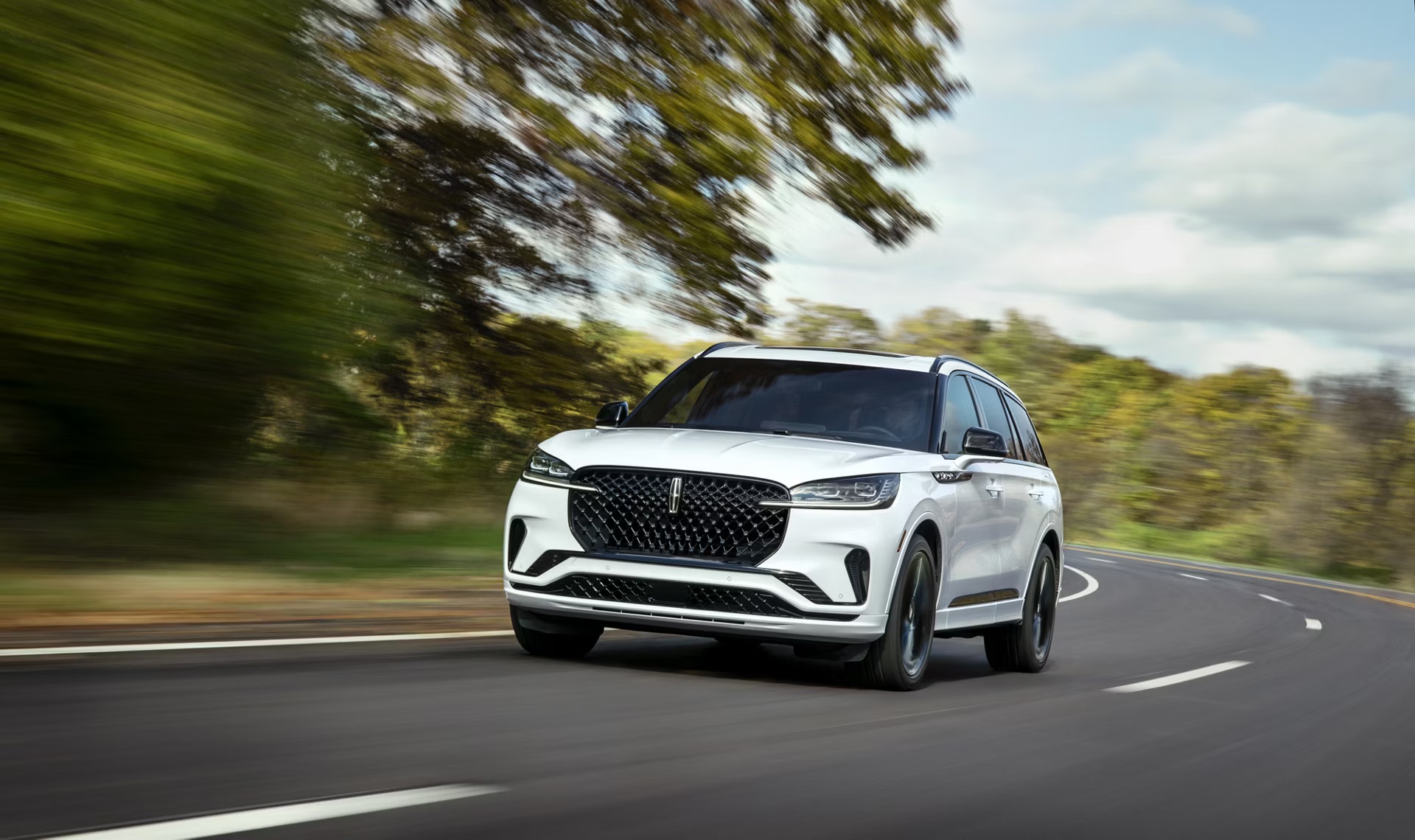
Lincoln Aviator

2027 | 6–7 seats | 16.5 cu. ft. behind row three

White 2026 Lincoln Aviator driving along a winding wooded road, shown from a front three-quarter angle.

The Family-Luxury Balance

The Lincoln Aviator is our choice for families that want a beautifully appointed three-row SUV without taking on the dimensions of a full-size model. Choose a six-passenger arrangement with second-row captain’s chairs for a convenient aisle, or select an available seven-passenger configuration when an extra seat matters.

Behind the occupied third row, the 2027 Aviator offers 16.5 cubic feet of cargo room; fold that row and the space grows to 39.9 cubic feet. This difference shapes the buying decision: school bags and a few smaller travel pieces fit a different mission than luggage for seven people on a weeklong vacation.

What the Third Row Means in Practice

Lincoln lists 29.2 inches of third-row legroom. That makes the Aviator a smart fit when children, teenagers, or occasional guests use the back, with most adult passengers occupying the first two rows. Bring your usual passengers to confirm seat height, knee clearance, and access around an installed child seat.

Available luxury seating, refined twin-turbo V6 power, and upscale trim choices reward whoever drives it most. Our 2027 Aviator trim guide helps you match the exact seating and comfort equipment to your household.

Our Aviator Recommendation

Choose Aviator when premium first- and second-row comfort and a manageable family SUV are more important than carrying a full load of vacation luggage behind seven occupied seats.

Vehicle 2 of 6 | Three-Row SUV

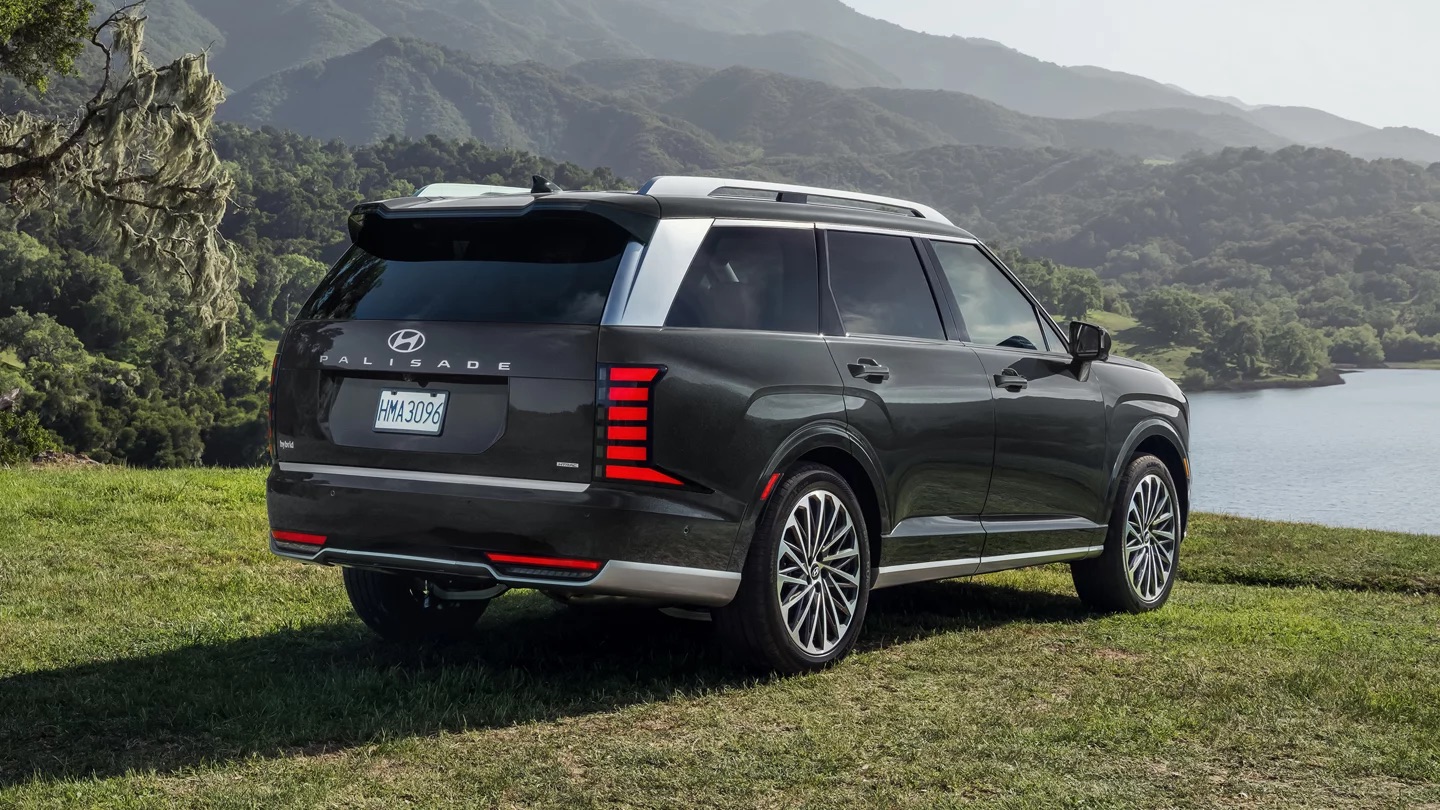
Hyundai Palisade

2026 | 7–8 seats | 19.1 cu. ft. behind row three

Hyundai Palisade three-row SUV exterior.

Flexible Seating Comes First

The redesigned Hyundai Palisade makes a credible family argument with seven- or eight-passenger seating, available captain’s chairs, and thoughtfully equipped rear rows. A three-person second-row bench earns its place when the household routinely carries more people rather than prioritizing a walk-through aisle.

With 19.1 cubic feet behind the raised third row, Palisade provides more nominal space for bags than Aviator. Its 46.3 cubic feet behind row two with the third row folded also suits families that alternate between people-hauling and bulky cargo.

Where Lincoln Changes the Experience

Palisade’s optional second-row luxury appointments create impressive value, especially when a hybrid powertrain matters. Before choosing, compare the child-seat installation points, third-row access mechanism, and how much time passengers spend at the very back.

We recommend Aviator when the family also wants a more personalized luxury-driving experience, available premium seat adjustment, and confident twin-turbo V6 response. Palisade is the practical benchmark; Aviator is the more premium everyday choice.

Our Lincoln Perspective

For a large household needing eight seats, Palisade deserves consideration. For six or seven travelers putting upscale seating and daily driving refinement first, we would start with Aviator.

Vehicle 3 of 6 | Three-Row SUV

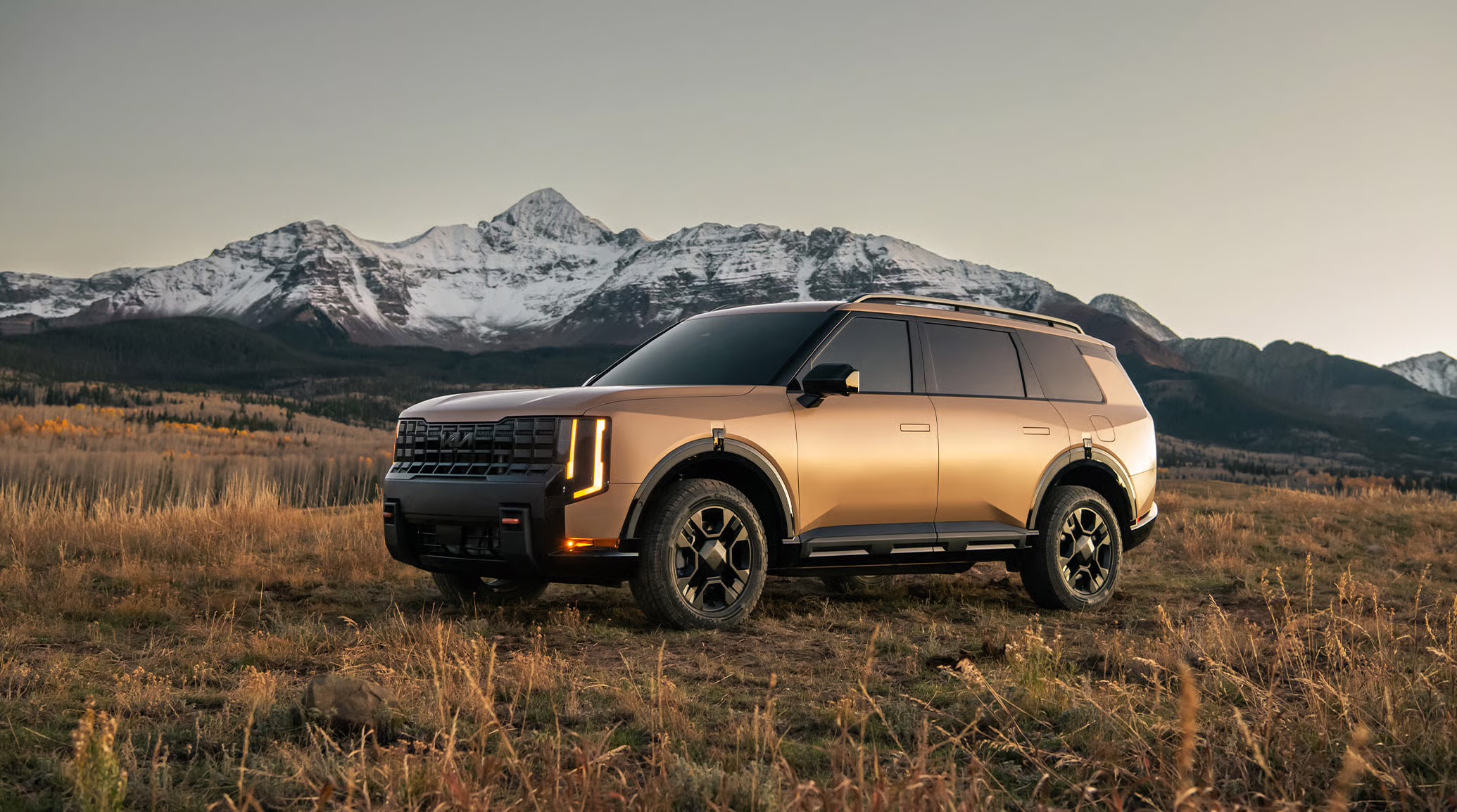
Kia Telluride

2027 gas | 7–8 seats | 22.3 cu. ft. behind row three

Bronze Kia Telluride parked in a mountain landscape at sunset, with snow-covered peaks in the distance.

Pack More Without Folding the Back Row

The redesigned 2027 Kia Telluride has a meaningful strength for group travel: manufacturer-published cargo capacity of 22.3 cubic feet behind the third row on gasoline models. That matters when a stroller, overnight bags, and groceries must coexist with passengers.

Telluride also supports seven- or eight-passenger layouts. A family choosing the bench can carry an additional person, while available captain’s chairs give individual second-row seating and a different route to the back.

The Luxury Tradeoff

Telluride focuses on family-friendly convenience, charging access, and practical cabin arrangements. Verify the particular configuration: the 2027 Telluride Hybrid publishes a different cargo figure, so the gasoline number should not be applied across the lineup.

Aviator answers with the more distinctly Lincoln experience—available luxury seat functions, rich appointments, and the composure of its twin-turbo V6. If you need three rows only part of the time, premium comfort in the first two rows becomes a strong reason to choose Lincoln.

Our Lincoln Perspective

Telluride wins attention for space behind its third row. We favor Aviator when luxury appointments and everyday driver comfort carry more weight than maximizing the rear cargo compartment.

Vehicle 4 of 6 | Three-Row Luxury SUV

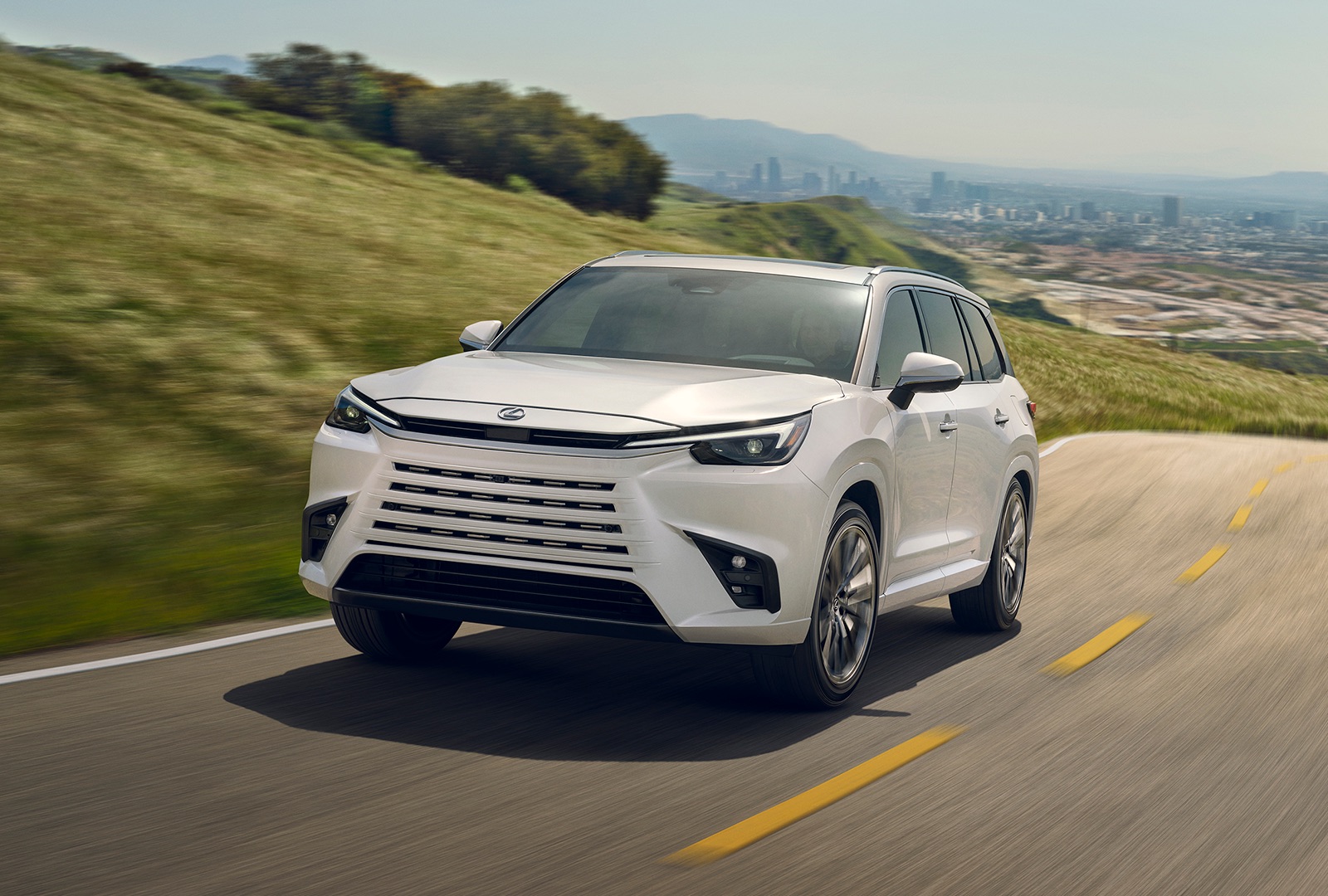
Lexus TX

2026 | 6–7 seats | 20.2 cu. ft. behind row three

Lexus TX three-row luxury SUV exterior.

An Adult-Friendly Third Row

The Lexus TX was designed to make its third row a genuine part of family transportation. Its 20.2-cubic-foot compartment behind row three remains useful with every seat raised; fold the third row and the published figure expands to 57.4 cubic feet.

At 33.5 inches of published third-row legroom, the TX gives rear occupants more nominal knee room than Aviator. Its adjustable second-row access and available six-seat captain’s-chair layout deserve a hands-on comparison when parents, grandparents, or adult friends ride in the back.

When to Choose a Larger Lincoln

The TX is a strong space-oriented luxury crossover. Our Lincoln recommendation depends on the job: Aviator delivers distinctive first- and second-row luxury and responsive performance when the back row is occasional.

When adults must ride in row three for hours and their suitcases must come too, we would move the comparison to Navigator or Navigator L. That is a more honest solution than claiming every family needs the same size SUV.

Our Lincoln Perspective

Consider TX for frequent third-row access in a crossover-size package. Shop Aviator for front- and middle-row luxury, and Navigator for a fuller combination of adult space and luggage.

Vehicle 5 of 6 | Three-Row Luxury SUV

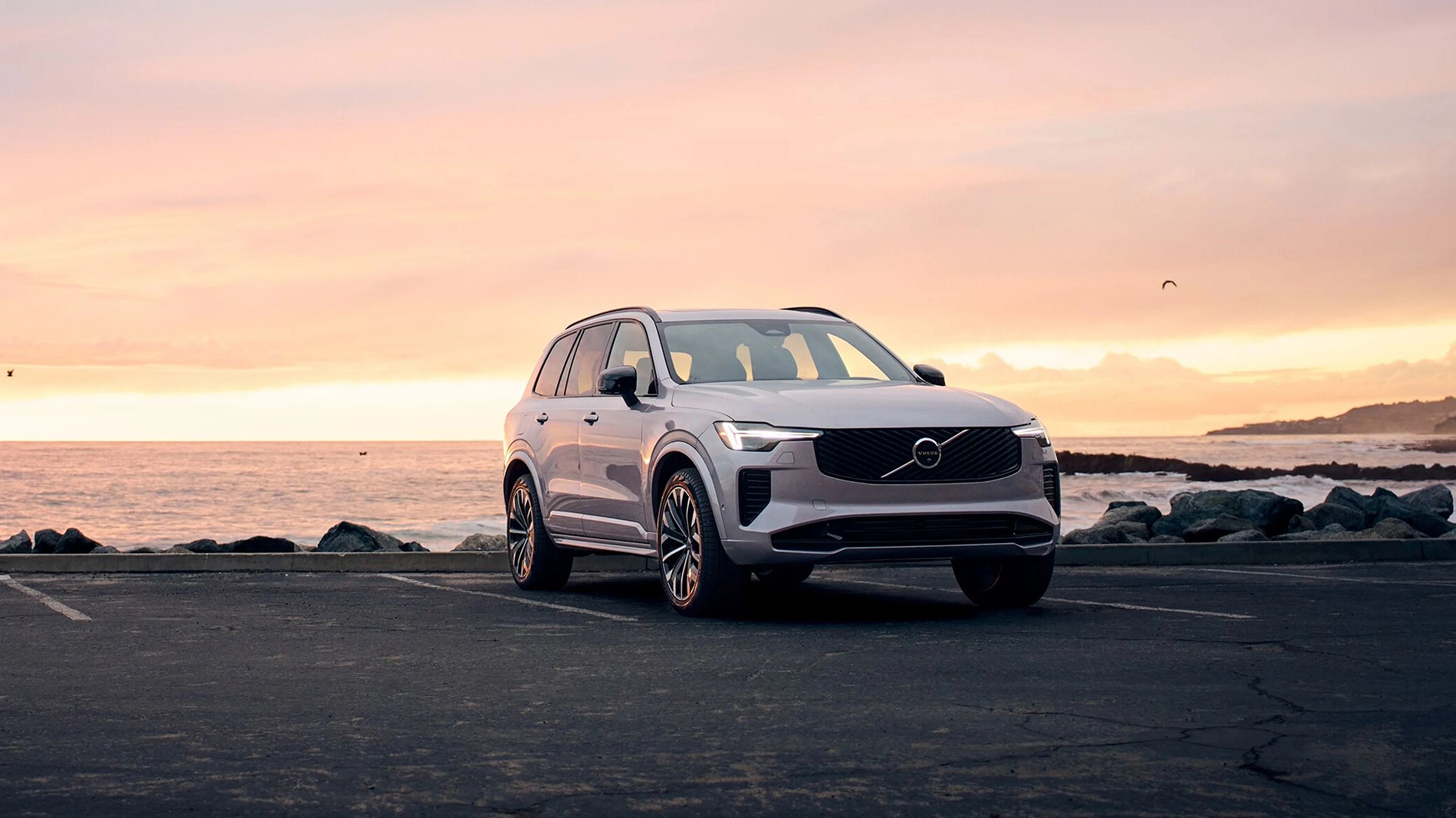
Volvo XC90

2026 | 6–7 seats | 8.7 cu. ft. standard volume behind row three

Volvo XC90 three-row luxury SUV exterior.

Smart Scandinavian Packaging

The Volvo XC90 blends supportive seating with a clean interior and six- or seven-passenger configurations. Its relatively compact exterior makes it appealing when maneuverability matters as much as having an occasional third row.

Volvo publishes 8.7 cubic feet of standard cargo capacity behind the raised third row on the gas XC90, with up to 10.6 cubic feet under its alternate maximum measurement. That small compartment is the central family tradeoff: a fully occupied XC90 leaves limited space for a vacation’s luggage.

Comfort Versus All-Seats-Up Utility

The XC90 has useful flexibility when the third row stays folded, and its available seating and climate amenities are thoughtful. But the difference between “seven seats available” and “seven people traveling with their bags” is substantial.

We prefer Aviator for families seeking a more luxurious first- and second-row environment with greater manufacturer-published cargo room behind row three. Navigator becomes the stronger Lincoln comparison when group travel is constant.

Our Lincoln Perspective

XC90 suits families that keep the last row folded most days. Aviator gives more rear cargo capacity with all seats in use, and Navigator L is the answer for the fullest travel schedule.

Vehicle 6 of 6 | Three-Row SUV

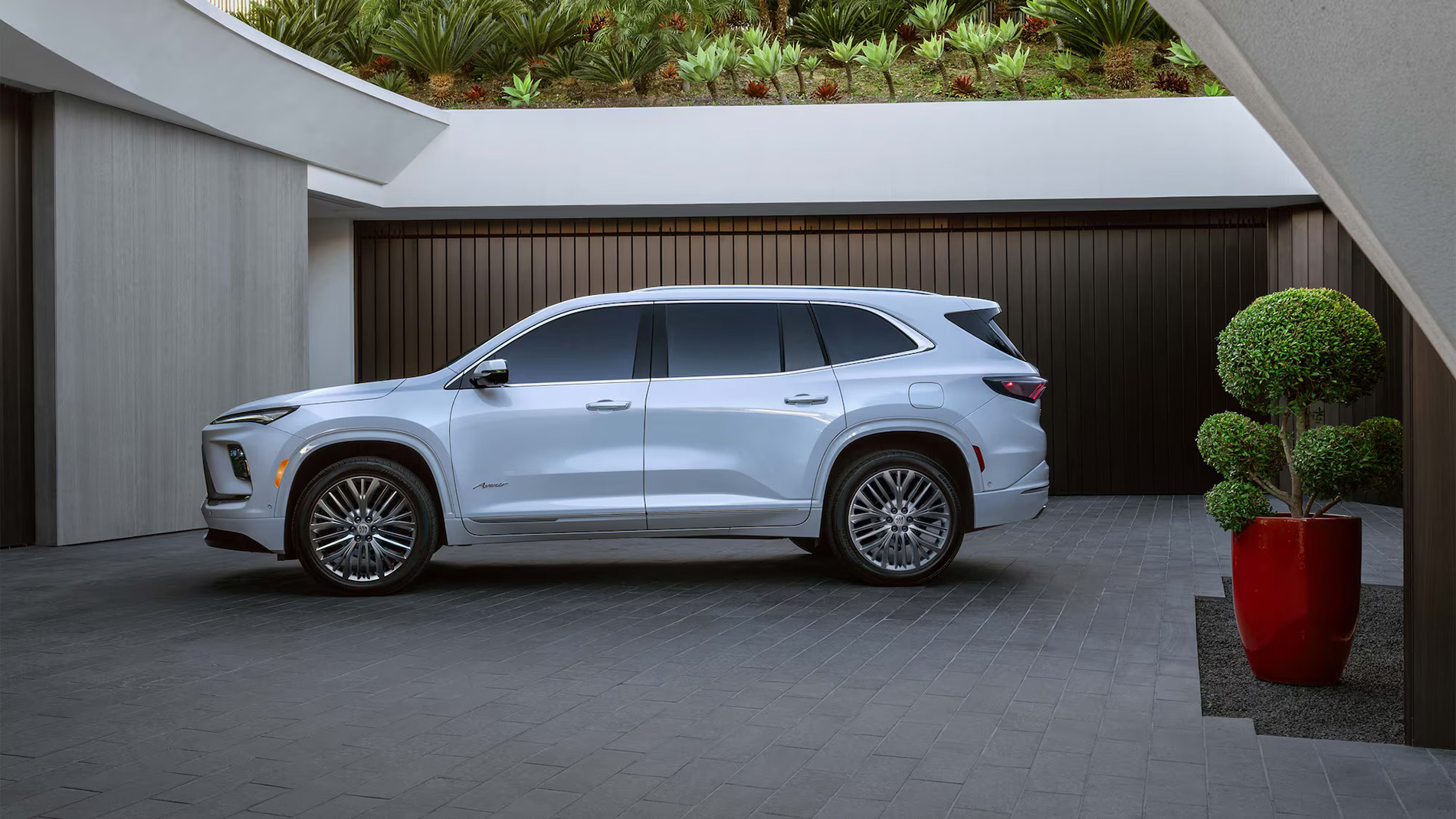
Buick Enclave

2026 | 7 seats | 22.9 cu. ft. behind row three

Buick Enclave three-row SUV exterior, shown from the front.

A Passenger-and-Cargo Practicality Contender

Buick Enclave puts usable space at the center of its family appeal. Its standard seven-passenger layout includes second-row captain’s chairs, and its 22.9 cubic feet behind the third row leaves a helpful compartment for everyday bags while carrying the full crew.

Buick’s available luxury equipment on higher trims adds compelling comfort. Check the exact seat mechanisms, loading height, and accessibility for children and older relatives rather than relying only on an impressive cargo number.

Why We Still Recommend a Lincoln

Enclave’s space advantage is real. The decision changes when the front-seat experience, personalized seating, and a more dynamic powertrain matter just as much as the rear hatch.

Our Aviator recommendation is for families that want an upscale driver experience and refined appointments, even when that means choosing a smaller cargo compartment. If all seven passengers frequently travel with bulky bags, the Navigator L gives us a stronger Lincoln solution.

Our Lincoln Perspective

Enclave is excellent for roomy seven-seat practicality. Aviator is our luxury-first choice; Navigator L is our solution when a full passenger load also needs substantial luggage room.

Full-Size Luxury SUVs | 5 Vehicles

Best Large Three-Row Luxury SUVs: Who Has Room for Everyone and Everything?

Five flagship choices, including extended-length versions, measured by adult third-row comfort and cargo room with no seats folded.
Choose a Full-Size Luxury SUV or Use Previous/Next

Vehicle 1 of 5 | Full-Size Luxury SUV

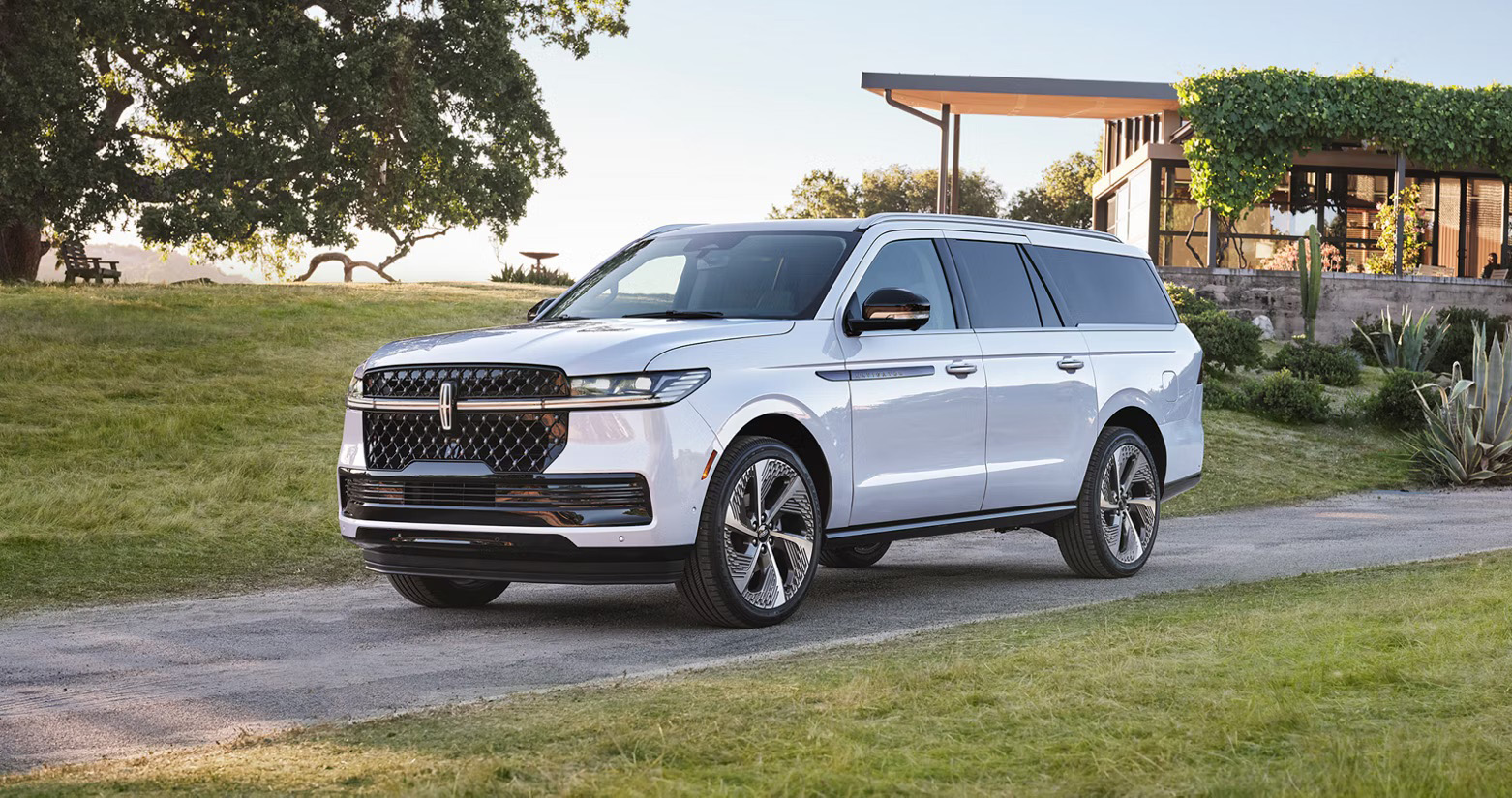
Lincoln Navigator

2026 | 7–8 seats | 21.6 cu. ft. standard / 36.1 cu. ft. L

White Lincoln Navigator L parked outside an elegant estate, photographed from a front three-quarter angle.

The Choice for a Full Passenger Load

The 2026 Lincoln Navigator moves the family-luxury decision into a different class. Seven-passenger configurations and available eight-passenger seating make room for a larger group, while the generous third row is designed for passengers who use it regularly—not just on rare occasions.

With the third row upright, standard Navigator offers 21.6 cubic feet of cargo capacity; Navigator L expands that to 36.1 cubic feet. Both offer the same published passenger volume. The extended body invests its extra length where a full family feels it most: in the luggage compartment.

Why the Navigator L Matters

Picture a Savannah-to-Orlando trip with six travelers and several suitcases. In Aviator, you may need to choose smaller bags; in Navigator L, the added space behind row three addresses that specific problem without sacrificing passenger seats.

Lincoln Split Gate simplifies loading and provides a convenient lower-tailgate surface at stops. Available premium seating, second-row appointments, and Lincoln Rejuvenate for use while parked make the experience special beyond the cargo calculation.

Our Navigator Recommendation

Choose standard Navigator when you need full-size family comfort without maximum exterior length. Choose Navigator L when third-row passengers and full-trip luggage routinely travel together.

Vehicle 2 of 5 | Full-Size Luxury SUV

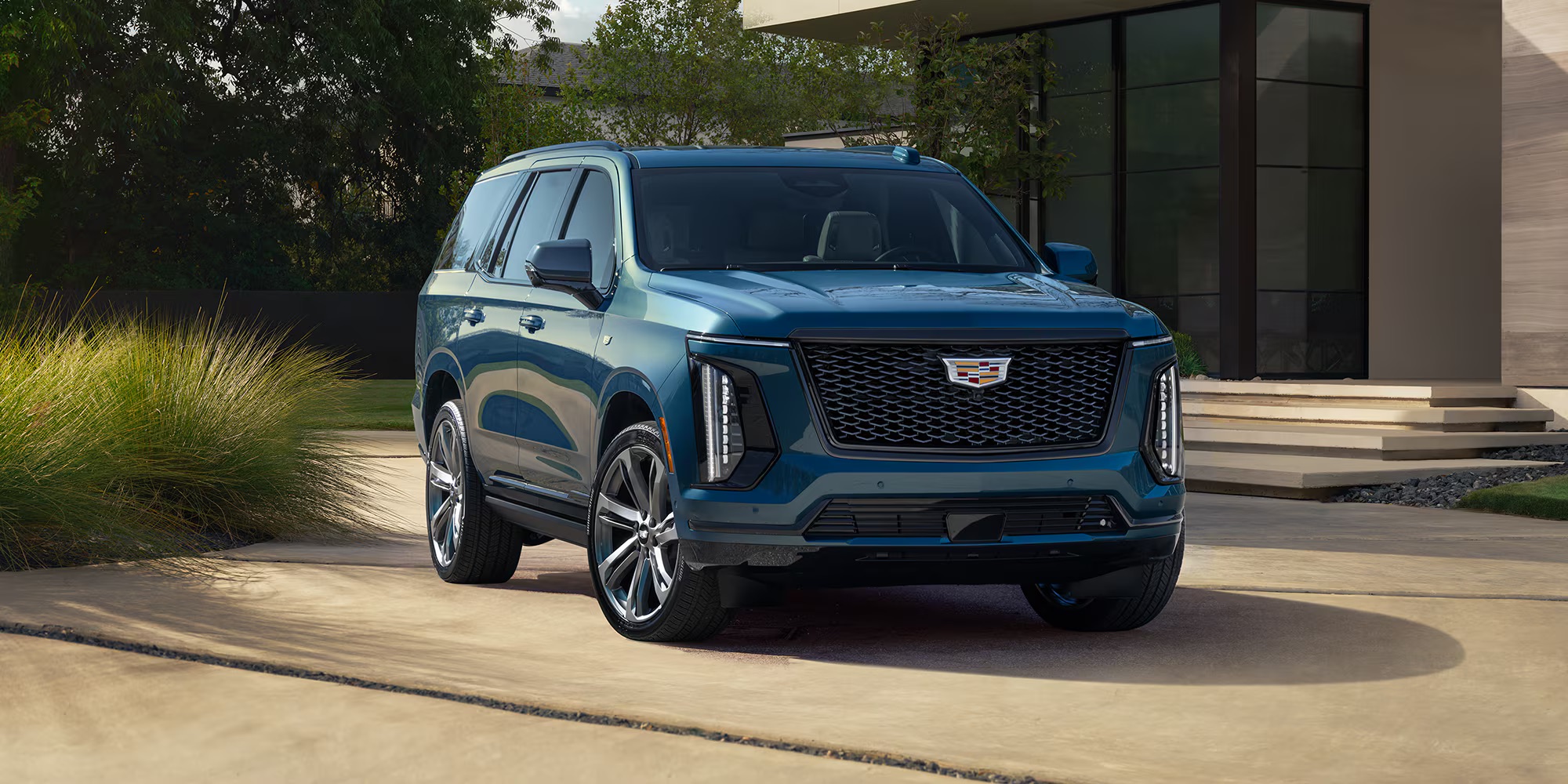
Cadillac Escalade

2026 | up to 8 seats | 25.5 cu. ft. / 41.5 cu. ft. ESV

Blue Cadillac Escalade parked outside a modern luxury home, with its distinctive grille and vertical LED headlights visible.

A Major Rival for Cargo-First Families

The Cadillac Escalade and extended Escalade ESV deliver substantial third-row accommodation and cargo room. Cadillac publishes 25.5 cubic feet behind the third row for the standard SUV and 41.5 for ESV, giving both versions a numerical cargo advantage over the corresponding Navigator models.

Cadillac also offers sophisticated available ride technology and an upscale interior. Its larger ESV format deserves consideration when the family needs every bit of storage capacity available behind occupied seats.

How Navigator Competes on Everyday Use

We would not pretend the Navigator L has the bigger trunk on paper; it does not. Instead, we recommend evaluating the way the Lincoln Split Gate opens, the available premium rear-seat appointments, and the cabin environment your family prefers.

Navigator L supplies 36.1 cubic feet behind row three, ample for many full-family trips, with a passenger-focused layout and Lincoln ownership experience. These two deserve a real side-by-side load test rather than a verdict based on a single dimension.

Our Lincoln Perspective

Escalade ESV leads the published cargo comparison. We recommend Navigator L when its thoughtful loading features, passenger luxury, and Lincoln experience better match your family.

Vehicle 3 of 5 | Full-Size Luxury SUV

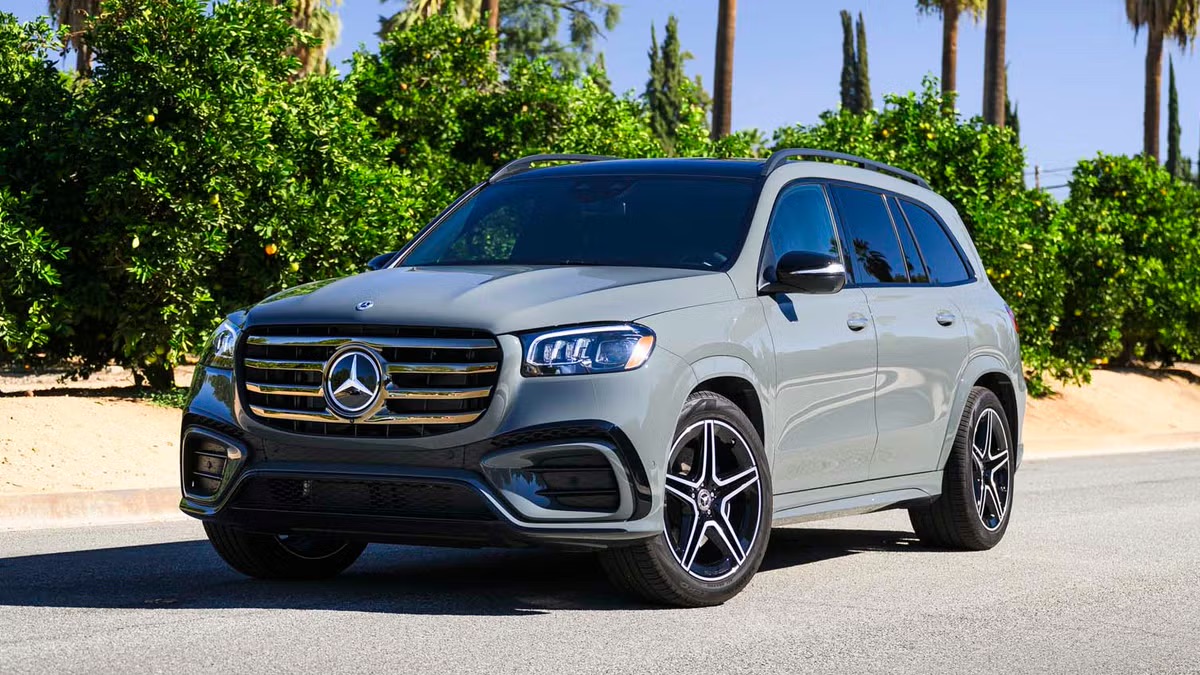
Mercedes-Benz GLS

2026 | 6–7 seats | approximately 17 cu. ft. behind row three

Mercedes-Benz GLS luxury SUV driving on a palm-lined road, photographed from a front three-quarter angle.

Three-Row Luxury on the Highway

The Mercedes-Benz GLS presents a rich cabin and standard air suspension, making it an important benchmark for long-distance refinement. With available second-row captain’s chairs, it also offers families another way to create easier access to the third row.

Its third-row-up cargo compartment is much smaller than that of an extended American full-size SUV. A 2026 GLS 450 test reported approximately 17 cubic feet behind row three, expanding considerably when the rear seats are folded.

Where the Full-Size Difference Shows

For families who carry only a few passengers most days, GLS offers genuine appeal. But when all required seats are occupied, the cargo constraint becomes the first thing to check—not the luxurious materials surrounding the driver.

Navigator L preserves generous rear passenger space while providing 36.1 cubic feet for luggage behind the third row. We recommend it to shoppers who need long-distance family utility without selecting between passengers and bags.

Our Lincoln Perspective

GLS is a strong refined cruiser. Navigator L is our choice when multiple adult passengers and their belongings must travel together.

Vehicle 4 of 5 | Full-Size Luxury SUV

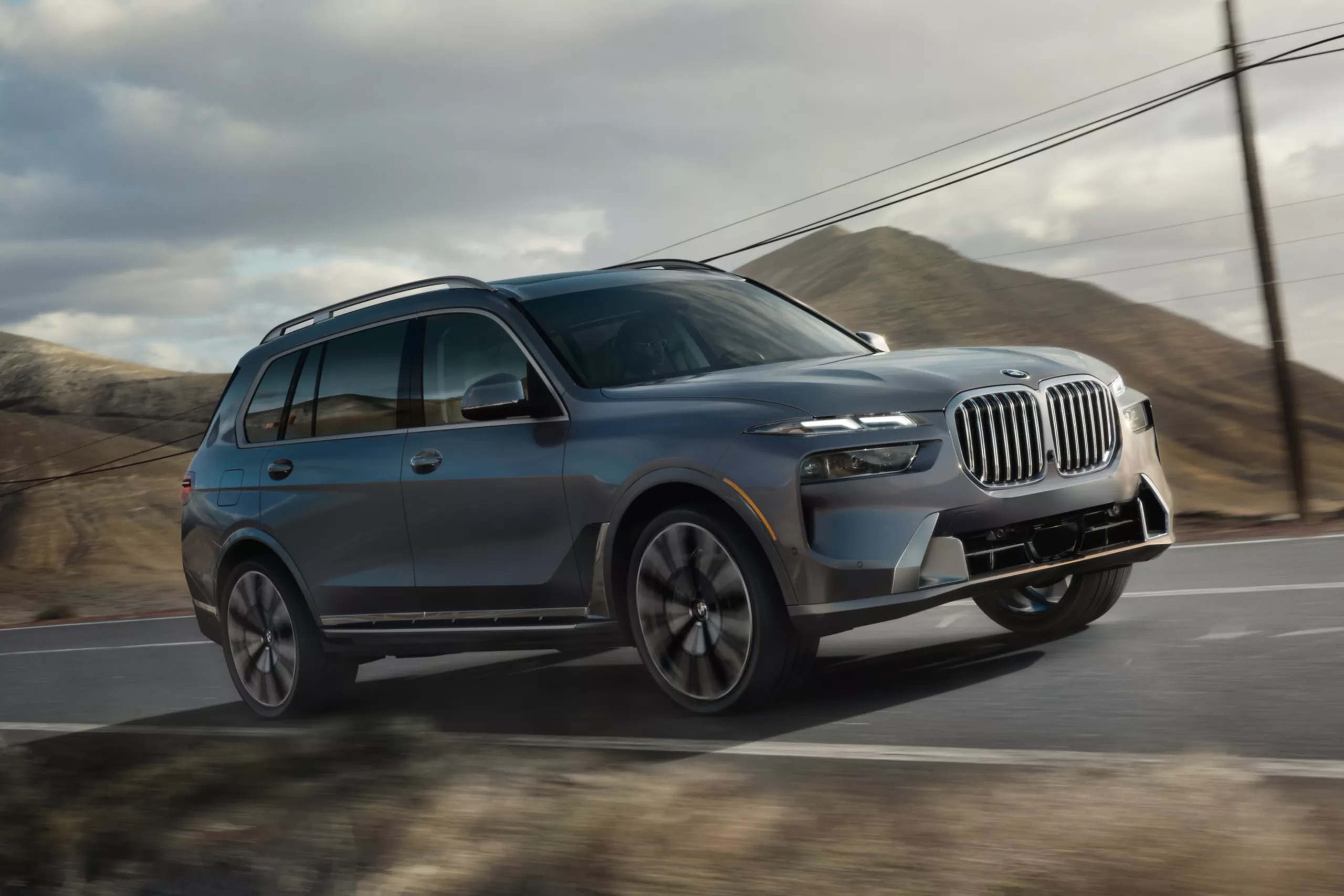
BMW X7

2026 | 6–7 seats | 12.8 cu. ft. behind row three

BMW X7 luxury SUV driving along a scenic mountain highway, showing its signature front grille and full-size proportions.

Driver-Focused Luxury With a Smaller Trunk

The BMW X7 delivers the handling confidence, rich cabin, and available second-row captain’s chairs expected from a three-row BMW. It is an appealing SUV for drivers who want premium seating and a more engaged driving character.

For family trips, the 12.8 cubic feet behind the third row is the relevant constraint. The X7 opens substantially more cargo space when the back row folds, but that does not solve the challenge of carrying six or seven people with their luggage.

Where the Navigator Fits Better

The difference is not whether an X7 is luxurious: it certainly is. The question is whether your group routinely needs all three rows. If so, make passengers sit in their assigned places while the regular travel bags are loaded.

Navigator gives that group a more spacious cabin, and Navigator L adds an especially useful dedicated cargo area behind row three. We favor the Lincoln when group travel takes priority over athletic handling.

Our Lincoln Perspective

The X7 rewards drivers who value road response. Navigator L is our more practical full-family luxury recommendation when every row and the luggage compartment have work to do.

Vehicle 5 of 5 | Full-Size Luxury SUV

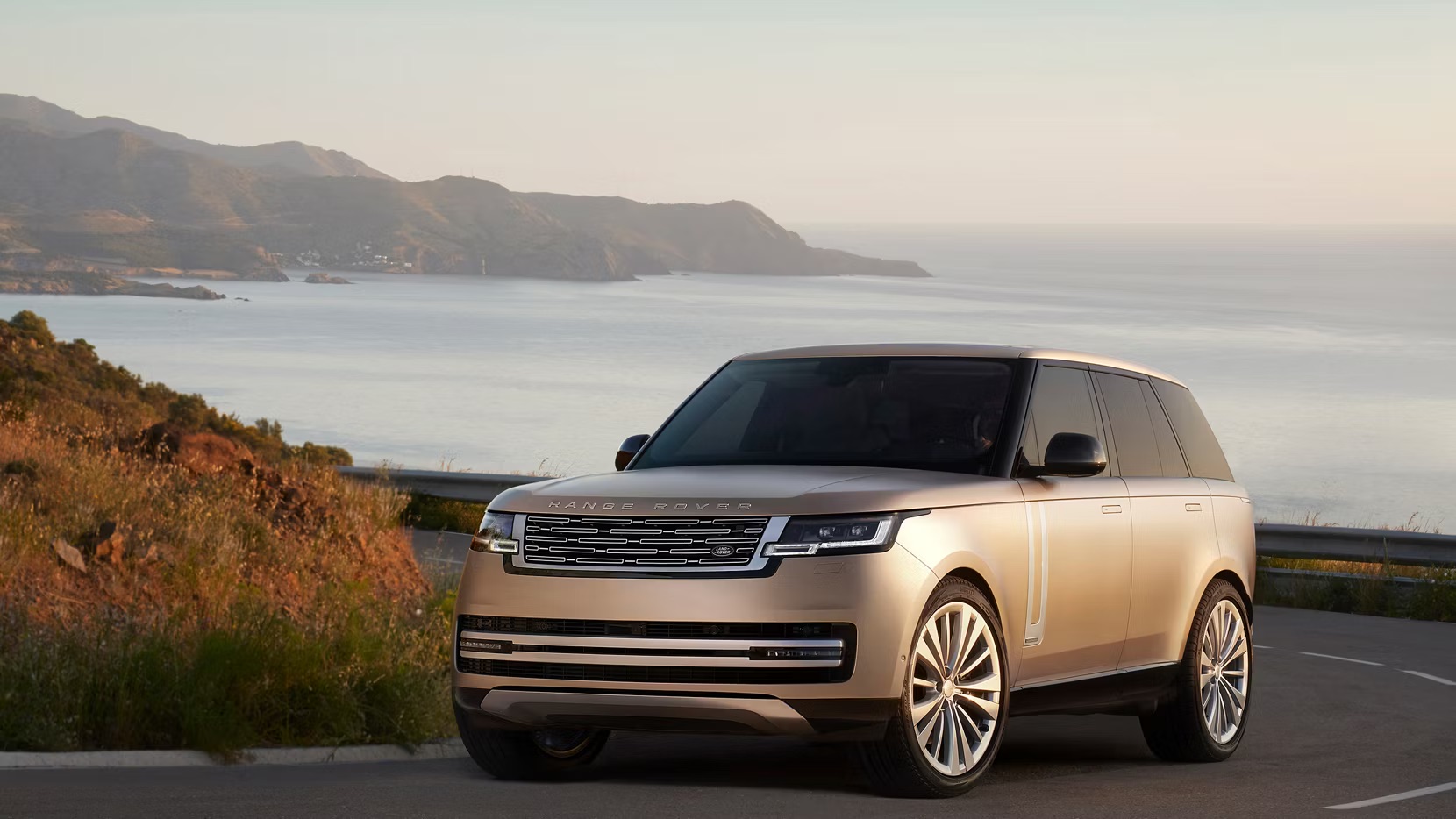
Land Rover Range Rover

2026 | optional 7-seat long-wheelbase layout | verify luggage by configuration

Range Rover driving along a scenic coastal mountain road, photographed from a front three-quarter angle.

An Especially Luxurious Seven-Seat Configuration

Range Rover is well known for outstanding ride isolation, beautiful materials, and carefully designed passenger environments. However, not every Range Rover offers three rows: the seven-seat option belongs to the long-wheelbase configuration on applicable trims.

That distinction matters because a sumptuous four- or five-seat Range Rover is not a comparable family alternative if you require six or seven seats. Start by confirming the exact seven-seat vehicle and then examine how much luggage remains with its final row in use.

Why We Choose Navigator for a Full Family

With Navigator, three-row transportation is foundational rather than an optional packaging route. Lincoln offers seven- or eight-seat configurations, while Navigator L adds a defined 36.1-cubic-foot compartment behind the third row.

The Range Rover appeals strongly for an intimate, lavish travel experience. We recommend Navigator when six or more people need consistently accessible seats, premium accommodations, and room for weekend bags.

Our Lincoln Perspective

For occasional seven-seat luxury, compare the exact Range Rover long-wheelbase layout. For routine family passenger-and-cargo duty, Navigator L is our flagship recommendation.

THE LINCOLN DIFFERENCE

The Best Luxury SUV Keeps the Seats You Need and the Space You Want

Our Lincoln Aviator gives families a rewarding midsize luxury experience. Navigator and Navigator L make more room for a frequent third row and vacation luggage. We help you compare both seating layouts and loading space in person, so you choose confidently.

Family SUV Test Drive

Four Things to Check Before Buying Any Three-Row SUV

Take the people and equipment that normally travel with you. What fits in a spec sheet is not always comfortable or convenient in the real car.

1. Actual Third-Row Access

Move the second-row seat with a child seat installed only where the vehicle instructions permit. Watch the door opening, step-in height, grab points, and the amount of effort passengers need to climb into row three.

2. Comfort in Every Occupied Row

Set the front seats for the real drivers, then seat the adults and children where they will actually ride. Check knee space, head clearance, cushion height, charging connections, climate vents, and available shade.

3. Cargo With All Seats Upright

Bring your folded stroller, sports equipment, or vacation suitcase set. Close the liftgate with the third row in its normal position. Verify storage below the floor and how the split tailgate or power liftgate affects loading.

4. Six, Seven, or Eight Seats?

Second-row captain’s chairs improve individual space and often the path to row three. A bench adds a passenger position. Check child-seat anchor locations, seatbelt placement, and which setup fits your actual household.

WHY CHOOSE J.C. LEWIS LINCOLN?

We Make a More Complicated Family-SUV Decision Feel Simple

From testing the captain’s-chair layout to comparing luggage space and ownership benefits, our Savannah team brings more than 108 years of J.C. Lewis automotive heritage to your next family vehicle.

Why Shop With J.C. Lewis Lincoln

Transparent, No-Pressure Guidance

We explain Lincoln pricing, trade values, finance and lease options, and the purchase details clearly. You get the information and personal attention to make your decision comfortably.


Home Delivery Across the Southeast

We coordinate eligible new-Lincoln purchases remotely, including paperwork and available home delivery across the Southeast. Confirm delivery options and location eligibility with our team.


Lincoln Pickup & Delivery

For qualifying service appointments, we arrange pickup, Lincoln service, and return of your vehicle, with a complimentary washed return when available. Keep more of your day for yourself.


Concierge and Mobile Service Options

Our Lincoln concierge team and available Mobile Service make select maintenance and ownership needs easier to arrange. We'll confirm which services are available for your vehicle and location.

Frequently Asked Questions

What is the best Lincoln three-row SUV for a family of six?

Start with the 2027 Lincoln Aviator if your sixth passenger does not need a large suitcase in the cargo area every trip. Its six-passenger layout offers captain’s chairs. Choose Navigator when third-row adult comfort and luggage capacity are daily needs.

How much cargo space does a Lincoln Aviator have behind the third row?

The 2027 Lincoln Aviator has 16.5 cubic feet behind its upright third row, 39.9 cubic feet with that row folded, and 75.9 cubic feet with both rear rows folded. Cargo and load capacity remain subject to weight and distribution limits.

Is the Lincoln Navigator L worth the extra length for a family?

Yes when you regularly use the third row and carry multiple bags. The 2026 Navigator L offers 36.1 cubic feet behind row three versus 21.6 cubic feet in standard Navigator, without changing published passenger volume.

Which three-row luxury SUV seats eight people?

The 2026 Lincoln Navigator offers available eight-passenger seating. Other competitors such as certain 2026 Hyundai Palisade, 2027 Kia Telluride, and 2026 Cadillac Escalade configurations also offer eight. Aviator seats up to seven.

Are captain’s chairs or a second-row bench better for families?

Captain’s chairs provide individual seating and generally make access to row three simpler. A bench supplies an extra seat. Choose based on how many passengers you regularly carry and the specific child-seat installation requirements.

Which SUV has more third-row cargo room, Aviator or Lexus TX?

The 2026 Lexus TX publishes 20.2 cubic feet behind row three, compared with 16.5 cubic feet in the 2027 Lincoln Aviator. The Aviator remains our premium-driving recommendation when rear-cargo capacity is not the top priority.

Which luxury SUV is better for adults riding in the third row?

The full-size Lincoln Navigator is our recommendation when adults occupy all three rows regularly. For some families the Lexus TX also deserves a look in the midsize category; compare actual passenger posture with all front seats adjusted.

Can J.C. Lewis Lincoln help us test car-seat and luggage fit?

Yes. Contact our Savannah team to arrange a vehicle comparison. Bring your regular car seats and representative bags, and we will help confirm the exact seating layout and available models before your visit.

Does J.C. Lewis Lincoln provide home delivery or service pickup?

Qualifying new-Lincoln remote purchases and home delivery are available in eligible Southeast locations. Lincoln Pickup & Delivery and select Mobile Service options are subject to qualifying vehicles, locations, scheduling, and current program terms.

Home delivery, Lincoln Pickup & Delivery, complimentary washed return, concierge support, and Mobile Service are subject to qualifying vehicles, locations, appointment availability, and current program terms.

Your Next Step

Shop the Lincoln That Fits Your Family

Compare the current Aviator and Navigator inventory, then review the exact seating layout, vehicle equipment, and cargo dimensions before choosing.

Start Shopping

Choose Aviator or Navigator

Start with the SUV that matches your passenger count. We will help you review the available seating configuration and shop features that make family travel easier.

Keep Researching

Plan the Seating-and-Cargo Comparison

Look deeper at Aviator configurations, compare Navigator cargo measurements, or explore our broader Lincoln comfort guide for everyday driving.

Vehicle specification research reviewed October 12, 2026. Published capacities, seating counts, and legroom relate to the cited U.S. model years and configurations. Cargo volumes use manufacturer-specific measurement conventions and are not necessarily directly comparable; measure your own bags and evaluate the exact vehicle. Cargo and load capacity are limited by weight and weight distribution.

Seating layouts, powertrains, wheels, options, driver-assistance equipment, dealer inventory, and ownership benefits vary by model, trim, and availability. Follow each vehicle and child-seat manufacturer’s instructions for safe installation, restraint use, and access. Lincoln Pickup & Delivery, Mobile Service, remote purchases and home delivery are subject to program terms, vehicle eligibility, scheduling, and regional coverage.