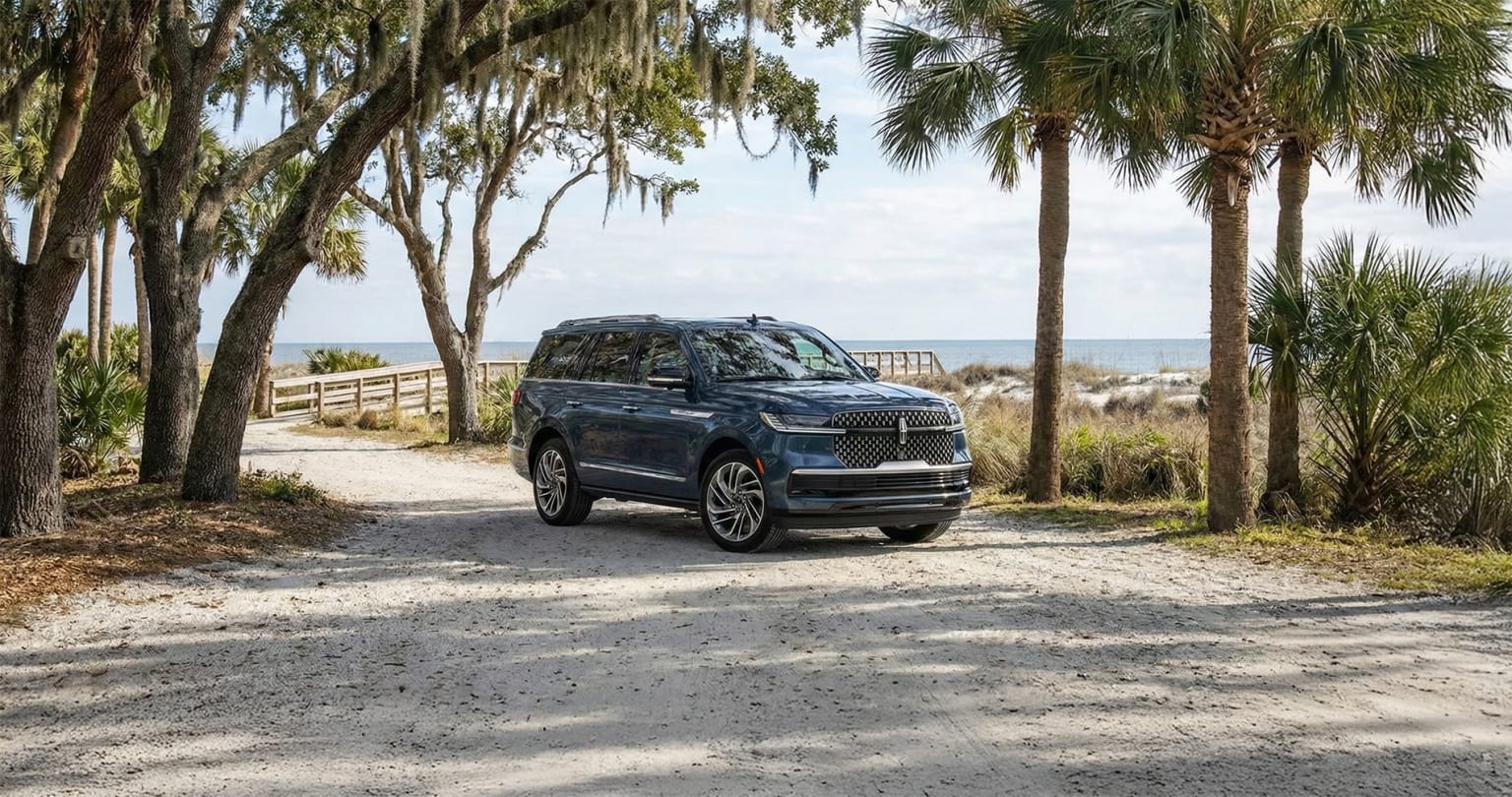
Understanding Lincoln Navigator Cargo Space is an important part of choosing the right full-size luxury SUV, especially for drivers who need both comfort and serious hauling capability. The Lincoln Navigator is known for its spacious interior, but cargo capacity can vary depending on body style and seating configuration. This article breaks down how much usable space you get in the standard Navigator compared to the extended Navigator L, helping shoppers make informed decisions based on real-world needs.

Throughout this guide, you’ll find detailed breakdowns of cargo volume behind each seating row, total storage capacity with seats folded, and how those figures translate into everyday usability. We’ll also look at Lincoln Navigator Trunk Space differences between models and explain when Lincoln Navigator L Cargo Space makes the most sense for families, travelers, and drivers who routinely carry larger loads. Additional context around vehicle size and fuel capacity helps round out the comparison beyond raw measurements.

For drivers in Savannah, Hilton Head, and nearby coastal communities, having the right balance of luxury and cargo flexibility matters for daily driving and longer trips alike. By the end of this article, Cargo Space Lincoln Navigator comparisons should feel clear, practical, and easy to apply.

Quick Answers

  • How much cargo space does the Lincoln Navigator have behind the third row?
    The standard Lincoln Navigator offers just over 21 cubic feet of cargo space behind the third row, which works well for everyday errands, groceries, or smaller travel loads.

  • How does Lincoln Navigator Trunk Space compare to the Navigator L?
    Lincoln Navigator Trunk Space increases noticeably with the extended Navigator L, which provides more than 36 cubic feet behind the third row, making it better suited for luggage, beach gear, or bulkier items.

  • What is the maximum Lincoln Navigator L Cargo Space with seats folded?
    With the second and third rows folded, the Lincoln Navigator L delivers over 121 cubic feet of total cargo space, offering maximum flexibility for hauling larger loads or traveling with oversized equipment.

2026 Lincoln Navigator Cargo Space Breakdown
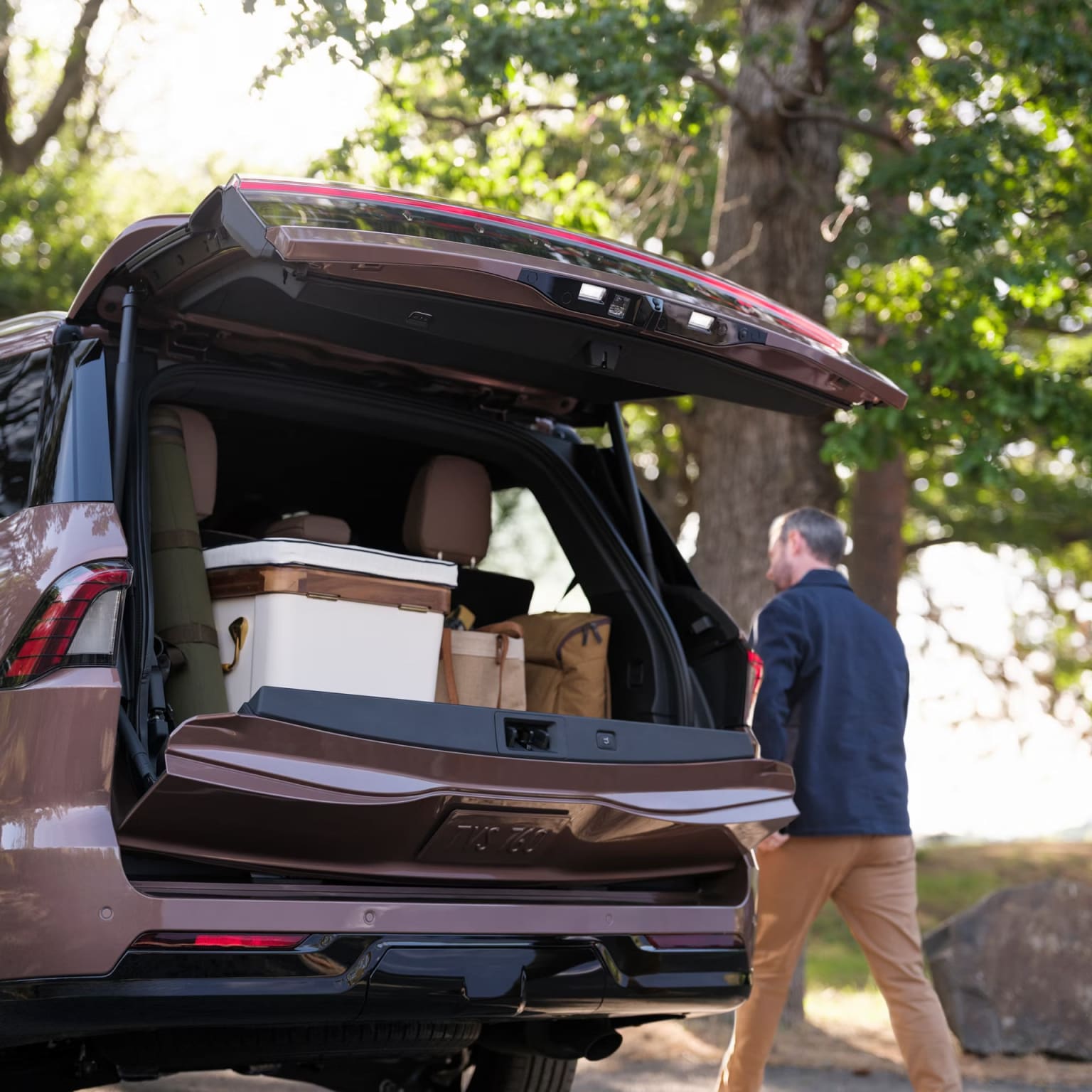
Cargo Space & Curb Weight
Specification Navigator Navigator L
Passenger Volume (Cu.-Ft.) 172.1 172.1
Cargo Volume Behind First Row (Cu.-Ft.) 107 121.6
Cargo Volume Behind Second Row (Cu.-Ft.) 60.8 75.4
Cargo Volume Behind Second Row (Cu.-Ft.) (Second-Row Seat Full Forward) 69.9 84.5
Cargo Volume Behind Third Row (Cu.-Ft.) 21.6 36.1
Cargo Volume Behind Third Row (Cu.-Ft.) (Third-Row Seat Full Upright) 22.9 37.4
Fuel Capacity (Gallons) 23 27
Base Curb Weight (Lbs.) 5,824 5,939


When shoppers start researching Lincoln Navigator Cargo Space, the numbers in this table quickly explain why the Navigator remains a strong choice in the full-size luxury SUV segment. Both the standard Navigator 4x4 and the extended Navigator L 4x4 offer 172.1 cubic feet of passenger volume, allowing families and groups to ride comfortably without giving up room for gear.

The most noticeable difference appears when comparing Lincoln Navigator Trunk Space. Behind the third row, the standard Navigator provides just over 21 cubic feet, which works well for everyday errands or short trips. The Navigator L increases that space to more than 36 cubic feet, making it better suited for longer vacations, sports equipment, or larger loads. As seats fold down, Lincoln Navigator L Cargo Space expands dramatically, reaching over 121 cubic feet and giving owners the flexibility to handle everything from road trips to home improvement runs.

Fuel capacity and curb weight also influence daily usability. The Navigator L’s larger fuel tank supports longer drives with fewer stops, while the added weight reflects its increased size and hauling capability. For drivers in Savannah or Hilton Head who want luxury without sacrificing practicality, these differences help determine which configuration fits their lifestyle. Overall, Cargo Space Lincoln Navigator comparisons like this make it easier to choose the version that aligns with real-world needs.

Real-World Cargo Use: Navigator vs. Navigator L
Everyday Items & Use Cases Navigator Navigator L
Weekly Grocery Runs Multiple grocery bags with room to spare behind the third row Large grocery loads plus bulky items without stacking
Carry-On Suitcases Several carry-on bags behind the third row Multiple carry-on bags with additional space for backpacks or duffels
Checked Luggage Fits a few full-size suitcases with third row in use Accommodates more full-size suitcases without folding seats
Strollers Single stroller with remaining room for smaller items Large stroller plus extra bags or gear
Sports Gear & Equipment Team bags, folding chairs, and coolers with some stacking Sports gear, coolers, and chairs with less need to stack
Road Trip Packing Luggage for a family trip with thoughtful organization Luggage for longer trips with more flexibility and visibility
Home Improvement Items Boxed items and tools with seats folded as needed Longer or bulkier boxed items with fewer seat adjustments
Pet Crates Medium to large crate behind second row Larger crate setups with more clearance


This table is helpful because it turns Lincoln Navigator Cargo Space into real-life scenarios you can actually picture, rather than leaving you to interpret cubic feet on your own. For everyday use, the standard Navigator is shown as a practical option. It can comfortably handle weekly grocery runs, a stroller, or several carry-on suitcases without requiring you to fold seats or reorganize the cabin every time you load up.

The comparison becomes more meaningful when travel and larger loads enter the picture. The Navigator L consistently allows for bigger and bulkier items with less effort, whether that means stacking fewer bags, keeping items more visible, or avoiding the need to fold additional seats. That added flexibility can matter when packing sports gear, coolers, or luggage for longer trips, especially for families who tend to bring more than just the basics.

If you’re researching Lincoln Navigator Trunk Space, this table helps clarify the real tradeoff between the two body styles. The standard Navigator fits daily life well and stays organized with thoughtful packing, while Lincoln Navigator L Cargo Space is designed for shoppers who regularly need extra room without sacrificing passenger seating. For drivers in Savannah or Bluffton who balance daily errands with weekend travel, these differences can quickly point you toward the version that matches your routine.

Overall, viewing cargospace options through real-world examples makes it easier to choose confidently. Instead of guessing whether your gear will fit, you can match your habits to the layout that supports them best.

How the Navigator and Navigator L Compare in Real Life

Choosing between the Navigator and the Navigator L largely comes down to how you plan to use the cargo area on a daily basis. Both models offer the same passenger volume, so seating comfort and interior space feel identical in every row. The difference shows up behind the seats, where Lincoln Navigator Cargo Space begins to separate the two options in practical ways.

The standard Navigator works well for drivers who want a full-size luxury SUV that still feels manageable in everyday driving. It provides enough cargo room for groceries, strollers, sports bags, and weekend luggage, making it a solid choice for families who don’t always travel with a full load. For drivers who spend time navigating busier areas or tighter parking situations, the shorter length can feel easier to live with day to day.

The Navigator L is designed for shoppers who consistently need more room. With expanded Lincoln Navigator Trunk Space and noticeably greater capacity behind each row, it offers added flexibility for long trips, large families, or hauling bulkier gear. Lincoln Navigator L Cargo Space becomes especially valuable when rear seats are folded, allowing you to carry longer or taller items without giving up passenger comfort. For drivers in Savannah or Hilton Head who balance daily driving with frequent travel, the Navigator L often proves to be the more versatile choice.

FAQ: Lincoln Navigator Cargo Space & Trunk Room


How much Lincoln Navigator Cargo Space is behind the third row?
Behind the third row, Navigator 4x4 provides 21.6 cu.-ft. of cargo volume, while Navigator L 4x4 provides 36.1 cu.-ft. If you want more room for luggage, groceries, or beach gear without folding seats, the Navigator L offers a clear advantage. J.C. Lewis Lincoln helps drivers compare both setups in a way that matches real needs.
What is the maximum cargo space with the rear seats folded?
With seats folded for maximum hauling, cargo volume behind the first row is 107 cu.-ft. in Navigator 4x4 and 121.6 cu.-ft. in Navigator L 4x4. That extra space can matter when you’re loading larger items for weekend projects or longer trips.
How does Cargo Space Lincoln Navigator compare behind the second row?
Behind the second row, Navigator 4x4 offers 60.8 cu.-ft., while Navigator L 4x4 offers 75.4 cu.-ft. If you typically keep the third row folded for daily driving, that added capacity can be the difference between “fits easily” and “needs rearranging.”
What does “second-row seat full forward” mean for cargo room?
Sliding the second row forward increases the cargo area behind it. In that position, cargo volume behind the second row is 69.9 cu.-ft. for Navigator 4x4 and 84.5 cu.-ft. for Navigator L 4x4. This is handy when you want more storage while still carrying passengers.
How much Lincoln Navigator Trunk Space is available with the third row up?
With the third row in use, Navigator 4x4 provides 21.6 cu.-ft. behind the third row (22.9 cu.-ft. with the third-row seat full upright). Navigator L 4x4 provides 36.1 cu.-ft. (37.4 cu.-ft. with the third-row seat full upright). For families traveling from Hilton Head, the extended model can reduce the need to stack bags higher.
Does Lincoln Navigator L Cargo Space change passenger comfort?
Passenger comfort stays consistent because both models list 172.1 cu.-ft. of passenger volume. The main benefit of the Navigator L is added cargo length and capacity, not a change in seating space.
Which model is easier to live with day to day: Navigator or Navigator L?
The standard Navigator often feels easier to maneuver in tight parking or frequent errand runs, while the Navigator L prioritizes extra storage flexibility. If you split time between city driving and weekend travel around Savannah, the choice often comes down to how often you use that third-row cargo area.
Does fuel capacity differ between Navigator and Navigator L?
Yes. Fuel capacity is 23 gallons for Navigator 4x4 and 27 gallons for Navigator L 4x4. For longer trips from Bluffton, the larger tank can mean fewer stops depending on your driving conditions.
Does the Navigator L weigh more than the standard model?
Yes. Base curb weight is 5,824 lbs. for Navigator 4x4 and 5,939 lbs. for Navigator L 4x4. The added weight reflects the extended body, which can be helpful context when comparing ride feel and parking convenience in Beaufort.
Where can I compare Navigator and Navigator L cargo room in person?
J.C. Lewis Lincoln can help you compare the two body styles side by side, including how the third row impacts day-to-day loading. If you’re coming from Hardeeville and want to see what fits with your real cargo needs, checking the liftgate area in person can make the decision much easier.

Why Shop Your 2026 Lincoln Navigator With Us

At J.C. Lewis Lincoln, we understand that choosing the right Lincoln Navigator is about more than reading numbers on a screen. It’s about finding an SUV that fits your everyday life, whether that means hauling family gear, preparing for long trips, or simply enjoying a luxury vehicle that adapts to your needs. That’s why our team takes the time to walk you through real-world differences in Lincoln Navigator Cargo Space, not just spec sheets.

When you visit J.C. Lewis Lincoln, you can compare the standard Navigator and Navigator L side by side, open the liftgate, fold the seats, and see how the cargo area works for your routine. Drivers from Savannah, Bluffton, and surrounding communities appreciate our straightforward approach and product knowledge, especially when deciding between body styles.

Our goal is to help you choose with confidence, knowing exactly how much space you’ll have and how it will support your lifestyle. From first visit to final decision, we’re here to make the process clear, comfortable, and tailored to you.


How Else Can J.C. Lewis Lincoln Help?

DISCLAIMERS: *Vehicle specifications, measurements, cargo capacity, passenger volume, fuel capacity, and curb weight figures are based on manufacturer data and may vary by model, trim level, drivetrain, and vehicle configuration. *Cargo and passenger capacity figures are measured according to manufacturer standards. Actual usable space may vary depending on seating position, seat adjustment, accessories, and cargo shape. *Fuel capacity and curb weight figures are approximate and may differ based on equipment, options, and installed features. *Features, specifications, and availability are subject to change without notice. Always confirm current details with the manufacturer or dealer. *Images, descriptions, and specifications are for informational purposes only and may not reflect current inventory or exact vehicle configuration.