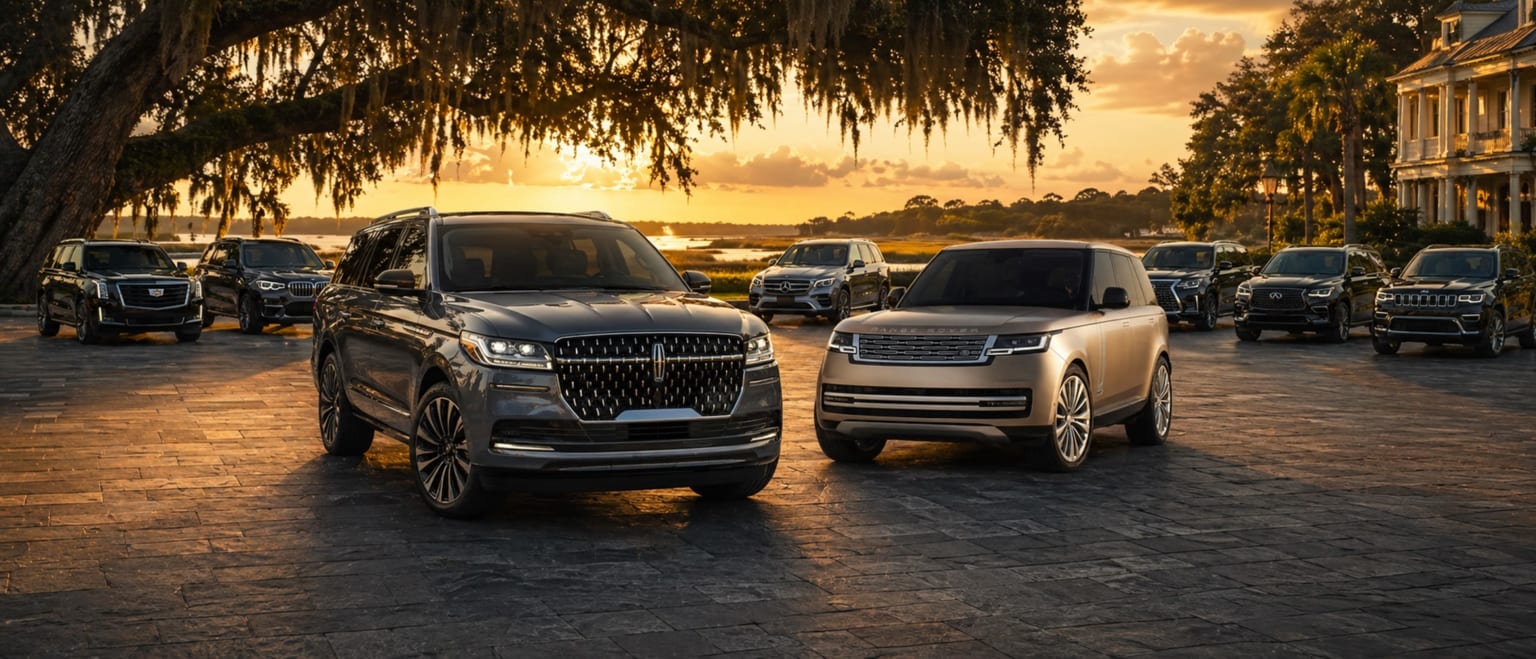
Cars LikeRange Rover
Range Rover is one of the most recognizable names in full‑size luxury SUVs. Shoppers are drawn to its design, prestige, and calm road presence—but many also compare it to other flagship SUVs to see how comfort, space, technology, capability, and long‑distance ease stack up in real‑world use.
That’s because full‑size luxury buyers aren’t all looking for the same thing. Some prioritize bold styling and dramatic technology. Others want the smoothest ride, the most usable third row, or the most intuitive cabin. Some focus on towing confidence or long‑term ownership experience. Those priorities lead shoppers to consider a range of alternatives beyond the Range Rover nameplate.
Across this segment, the Lincoln Navigator, Cadillac Escalade, BMW X7, Mercedes‑Benz GLS, Lexus LX, Infiniti QX80, and Jeep Grand Wagoneer all offer compelling strengths depending on what matters most. Navigator stands out for its passenger‑first space, ride isolation, and long‑distance comfort, while other models lean into performance, capability, or design‑driven luxury.
Below, you’ll find a breakdown of the best full‑size SUVs like Range Rover—organized by what shoppers actually care about. Each section highlights what these vehicles do well, where they differ, and which one fits best for the way luxury SUV ownership looks in everyday life.
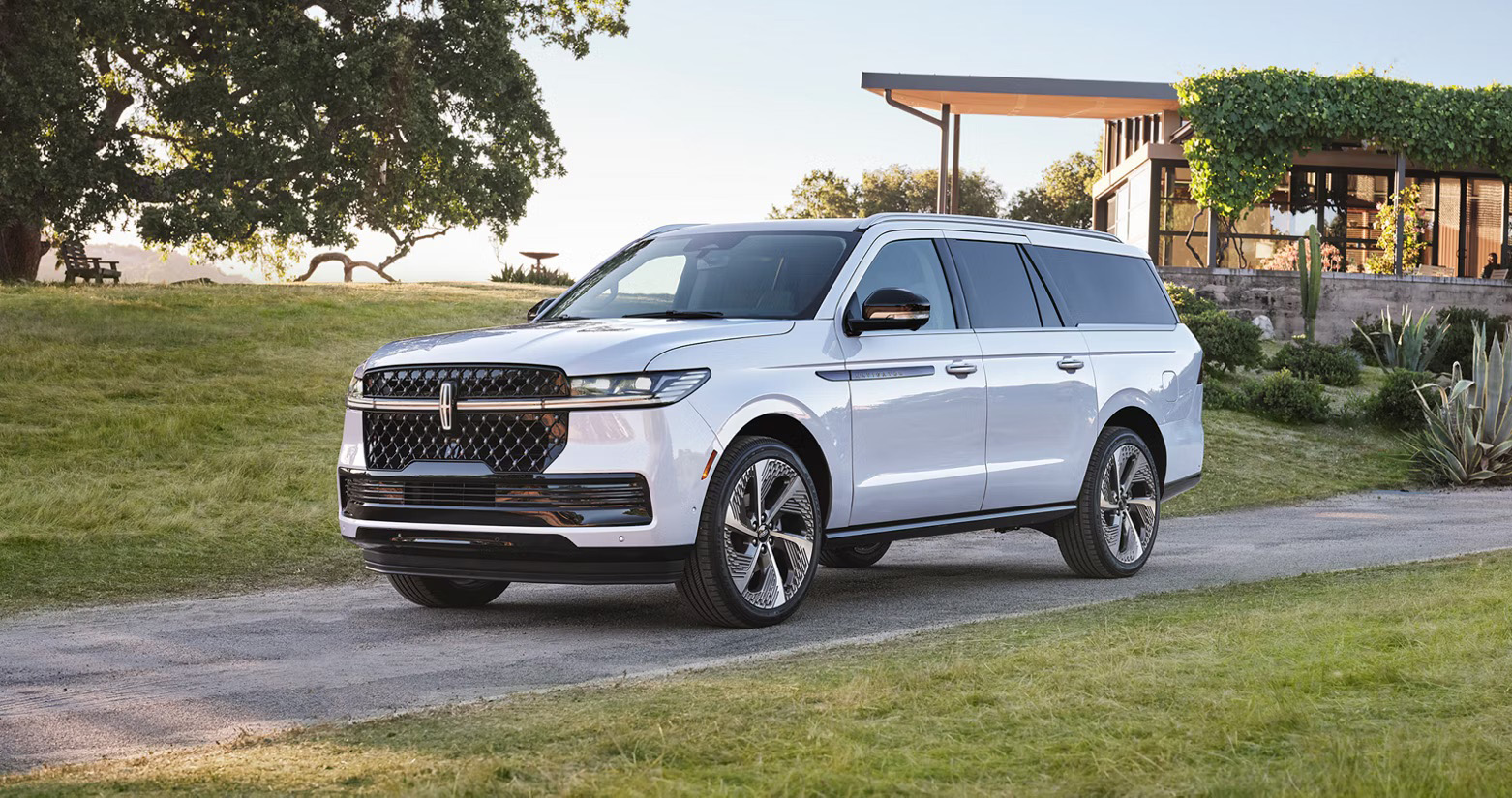
Lincoln Navigator
What It Does Well
- Expansive three‑row space
- Long‑haul ride isolation
- Passenger‑first cabin layout
- Effortless travel capability
Who It Fits Best
- Full‑size luxury shoppers
- Comfort‑focused drivers
- Space‑driven families
- Coastal‑route travelers
What MotorTrend Highlights About the Lincoln Navigator
MotorTrend emphasizes the qualities that define the Navigator as a true American flagship: commanding design, effortless twin‑turbo V6 power, and comfort that extends to all three rows.
Its 440‑horsepower engine delivers smooth, confident acceleration without the heaviness of a traditional V8, while standard 4WD and generous passenger space reinforce its long‑distance capability.
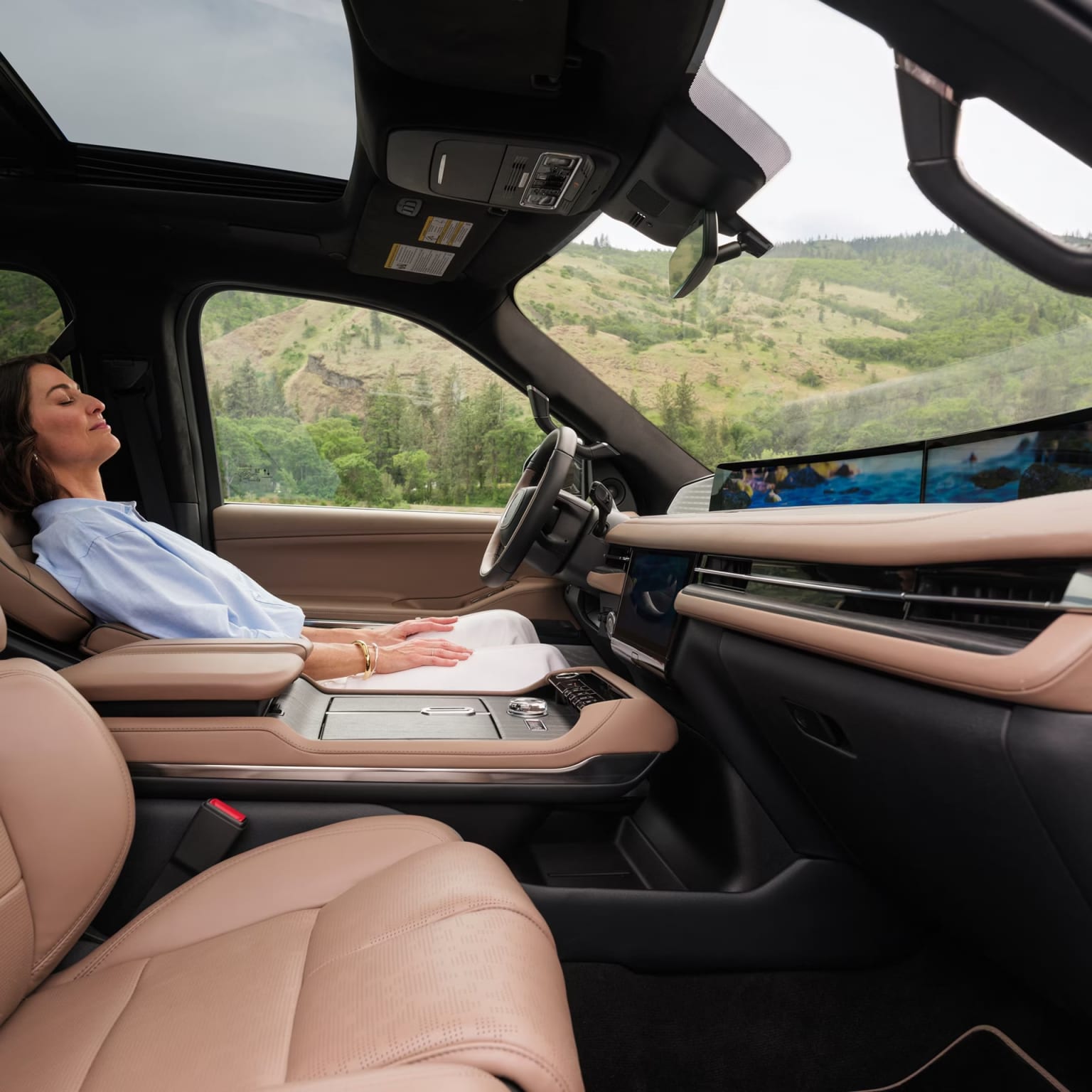
MotorTrend also notes the Navigator’s leap in technology and craftsmanship—its panoramic display, BlueCruise hands‑free capability, and 28‑speaker Revel audio system all contribute to a cabin that feels modern, intuitive, and genuinely premium.
While some rivals lean harder into flash or sportiness, the Navigator’s strength comes from blending power, presence, ride isolation, and everyday usability into one cohesive, passenger‑first luxury experience.
How Navigator Fits Lowcountry Luxury Buyers
The Navigator aligns naturally with the way Lowcountry drivers use a luxury SUV. Its passenger‑first cabin layout and best‑in‑class third‑row comfort matter on longer routes between Savannah, Hilton Head, and Beaufort.
The available Navigator L adds meaningful cargo flexibility for larger households, making it easier to carry luggage, golf bags, business gear, or weekend equipment without sacrificing comfort or presentation.
The twin‑turbo powertrain delivers effortless highway authority for I‑95 travel, and its smooth, isolated ride makes coastal commutes feel calm even on uneven pavement or bridge transitions.
For buyers who want flagship‑level luxury that works as comfortably for daily life as it does for bigger travel demands, the Navigator feels particularly well‑matched to the rhythms of upscale coastal ownership.
How It Compares to the Full‑Size Range Rover
The Range Rover has earned recognition for its design and heritage, and it remains a strong choice for buyers who prioritize brand identity and off‑road pedigree.
The Lincoln Navigator, however, delivers a more complete luxury experience for the way most people actually drive. It offers more usable space, superior ride isolation on long stretches of I‑95, and a cabin designed to prioritize every passenger—not just the driver.
For shoppers who appreciate Range Rover style but want greater comfort, capability, and everyday luxury, the Navigator stands out as the stronger overall choice.
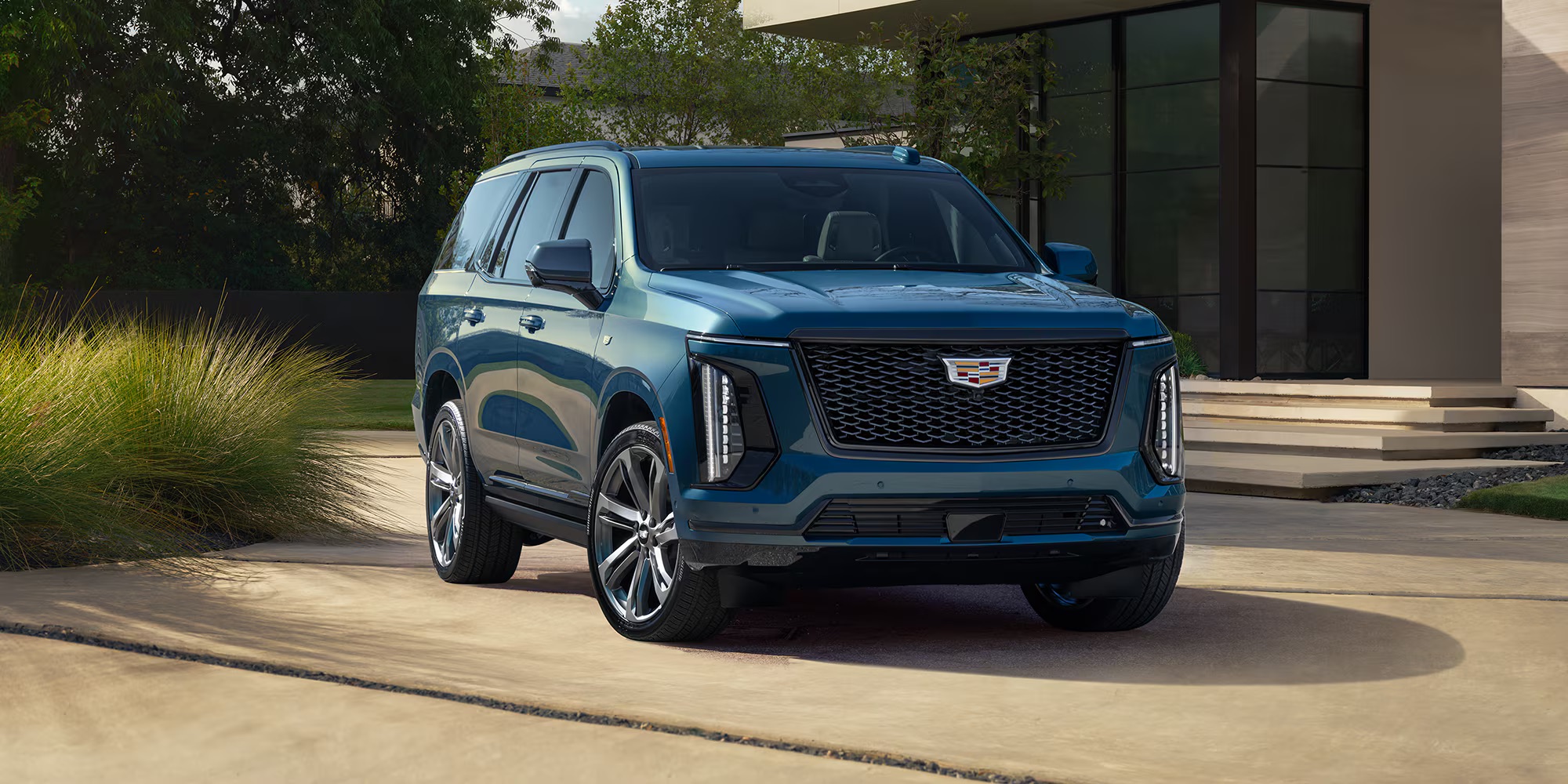
Cadillac Escalade
What It Does Well
- Bold American presence
- Cross-shop appeal
- Showpiece cabin tech
- Instant status impact
Who It Fits Best
- Presence-driven drivers
- Bold-luxury shoppers
- Upscale family haulers
- Tech-forward SUV buyers
What MotorTrend Highlights About the Cadillac Escalade
MotorTrend gives the Escalade real credit for why it remains such a dominant force in the full‑size luxury SUV segment. Its unmistakable styling, massive road presence, and expansive cabin make it one of the most visually commanding vehicles in the class.
The Escalade’s technology suite is equally bold. Its sweeping digital displays, Super Cruise hands‑free capability, and available V‑Series performance reinforce Cadillac’s commitment to a high‑drama, tech‑forward flagship experience.
MotorTrend also highlights the Escalade’s upscale materials, confident handling for its size, and the way Cadillac has kept the model culturally relevant—especially with the addition of the all‑electric Escalade IQ.
Where the Navigator separates itself is in its different interpretation of luxury. Instead of leaning into spectacle, it prioritizes refinement, ride isolation, and a passenger‑first cabin layout that feels designed for how families and travelers actually use a flagship SUV every day.
How Escalade Fits Lowcountry Luxury Buyers
The Escalade makes immediate sense for Lowcountry buyers who want their SUV to feel like an arrival moment. Its bold styling, screen presence, and unmistakable scale suit drivers who prioritize visual impact as much as utility—whether pulling into Savannah valet, transporting clients, or making a statement on Hilton Head roads.
The available ESV adds exceptional cargo flexibility, giving larger households the space they need for luggage, golf bags, or weekend gear without compromising Escalade’s signature presence.
Where the Navigator often distinguishes itself is in day‑to‑day livability. Its smoother ride, more intuitive cabin layout, and quieter long‑distance manners can feel better suited to the mix of commuting, I‑95 travel, and coastal driving that defines Lowcountry life.
Escalade remains the right choice for buyers who want boldness first. Navigator often feels stronger for those who want flagship luxury that works just as well on a Tuesday morning as it does on a Saturday night.
How It Compares to the Full-Size Range Rover
Shoppers cross-shopping the Escalade and the Range Rover are usually weighing two very different luxury approaches. The Escalade leans into size, presence, and dramatic technology, while the Range Rover focuses on a cleaner, more reserved design with a premium feel.
Many buyers want presence without sacrificing day-to-day refinement. That’s where the Lincoln Navigator separates itself—prioritizing refinement over spectacle, with better outward visibility, more intuitive ergonomics, and a cabin designed to reduce fatigue on long drives.
Its superior ride isolation and more balanced road manners make it the stronger choice for drivers who want luxury that feels polished, confident, and consistently comfortable across Savannah, Hilton Head, and the Lowcountry.
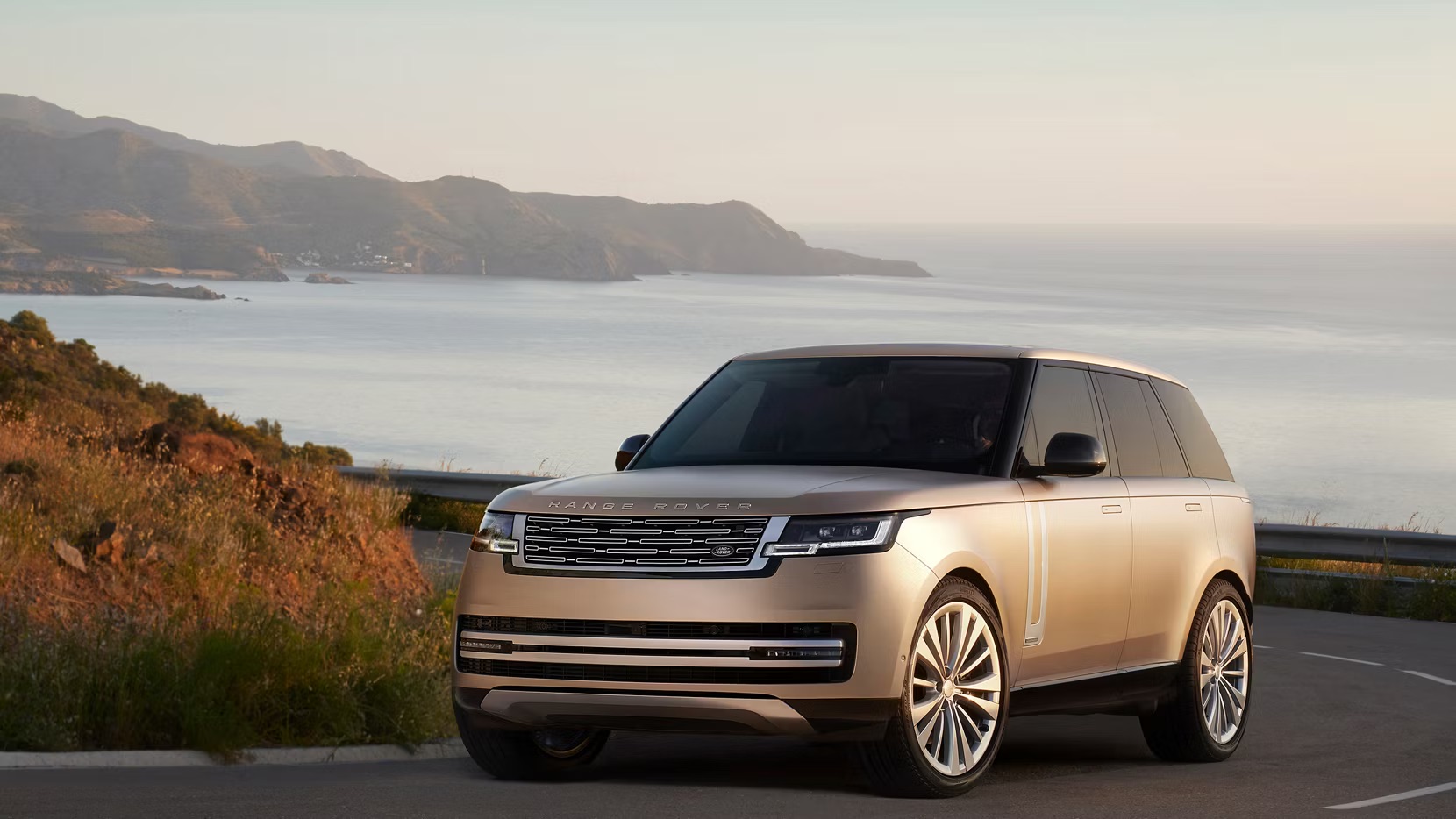
Range Rover
What It Does Well
- Prestige-first design
- Heritage off-road pedigree
- High-end craftsmanship
- Quiet, confident presence
Who It Fits Best
- Prestige-focused buyers
- Design-first luxury shoppers
- Drivers valuing heritage
- Urban-luxury commuters
What MotorTrend Highlights About the 2026 Range Rover
MotorTrend highlights the 2026 Range Rover as a masterclass in modern prestige. Its clean, reductive design, whisper-quiet cabin, and refined powertrains give it a calm, confident presence that few luxury SUVs can match.
The review also notes the Range Rover’s craftsmanship, from its minimalist interior layout to its premium materials and advanced noise‑reduction engineering. It remains one of the most visually and tactilely sophisticated SUVs in the segment.
MotorTrend points out that the Range Rover continues to balance luxury with capability. Its available plug‑in hybrid powertrain, adaptive air suspension, and off‑road systems reinforce its heritage as a vehicle built for both city streets and rugged terrain.
Where the Range Rover excels is in design purity and prestige appeal—qualities that resonate with buyers who want their luxury SUV to feel curated, architectural, and unmistakably high‑end.
How Range Rover Fits Lowcountry Luxury Buyers
The Range Rover appeals strongly to Lowcountry drivers who value design, prestige, and a serene driving environment. Its minimalist cabin and quiet ride suit buyers who want understated luxury while navigating Savannah’s historic districts or Hilton Head’s coastal routes.
Its refined suspension tuning and smooth power delivery make it comfortable for daily commuting, while its heritage capability adds confidence during coastal weather or uneven terrain around Beaufort and Bluffton.
For buyers who prioritize elegance, craftsmanship, and a curated luxury feel, the Range Rover remains one of the most aspirational SUVs on the road.
Why Range Rover Shoppers Choose the Navigator Instead
Many Range Rover shoppers ultimately choose the Navigator because it delivers a more effortless form of luxury. Instead of relying on heritage complexity, the Navigator focuses on ride isolation, intuitive technology, and a passenger‑first cabin layout that works better for real‑world travel.
The Navigator also offers more usable space across all three rows, making it a stronger fit for families or buyers who regularly carry adults, clients, or gear. Its long‑haul comfort on I‑95 and coastal routes often feels more relaxed and less demanding than the Range Rover’s firmer, capability‑oriented tuning.
For shoppers who love Range Rover design but want greater comfort, easier ownership, and a flagship that feels purpose‑built for American travel, the Navigator becomes the more rewarding choice—especially for Lowcountry drivers balancing daily life with longer regional trips.
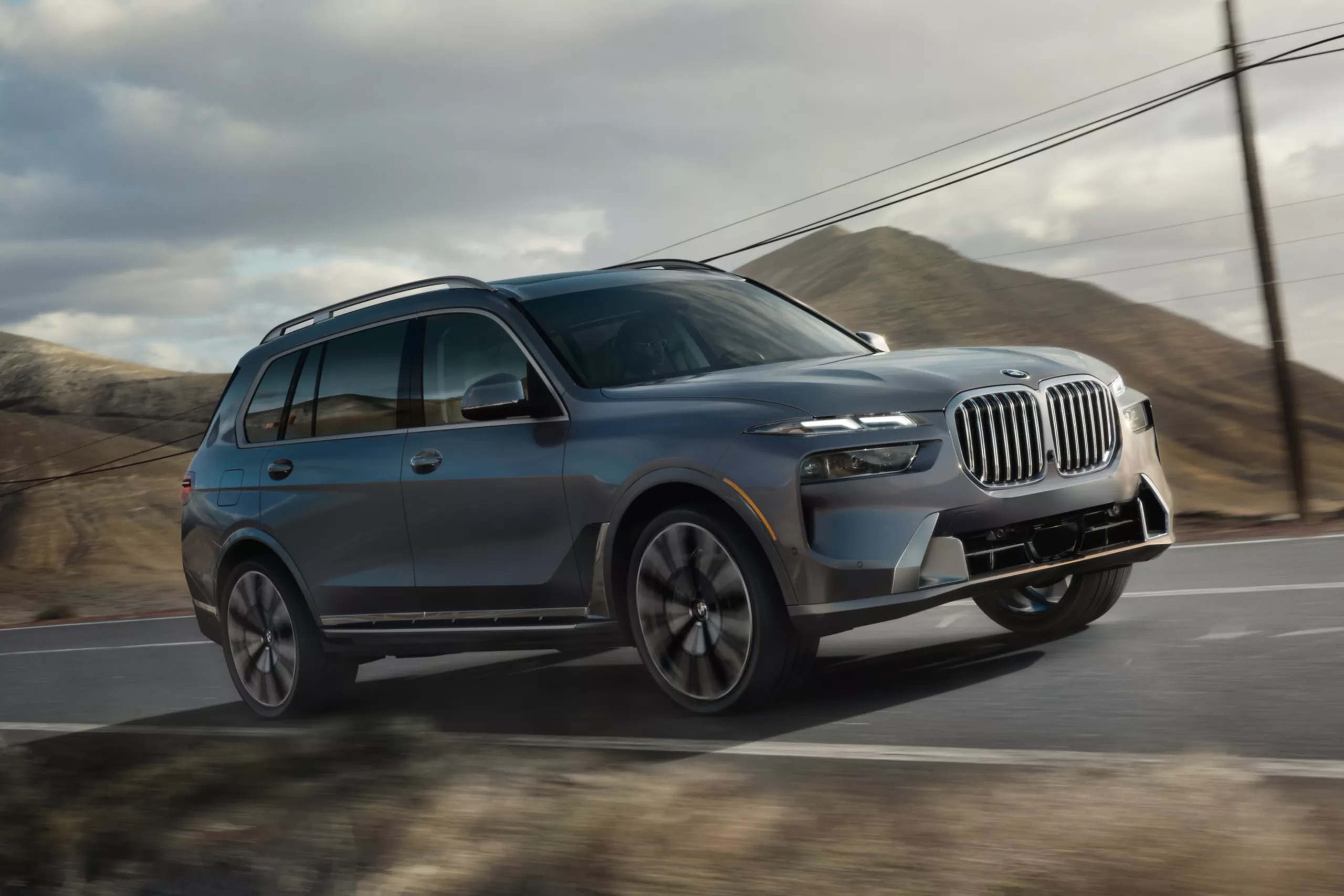
BMW X7
What It Does Well
- Signature BMW feel
- Strong power options
- European luxury appeal
- Sharp driver response
How It Falls Short
- Driver-first, not family-first
- Tighter third row
- Less cabin space
- Harsher daily ride
How It Compares to the Full-Size Range Rover
The BMW X7 gives Range Rover shoppers a more driver‑centric option. It leans into responsiveness, power, and an athletic feel, making it ideal for buyers who want their full-size SUV to behave like a BMW first and a luxury cruiser second.
The Lincoln Navigator takes a different approach. It delivers effortless highway authority, best‑in‑class third‑row comfort, and a passenger‑first cabin layout that makes long trips easier for everyone on board.
It also offers superior towing stability—an area where the X7’s sport‑tuned dynamics can’t match the Navigator’s confidence on I‑95 and Lowcountry routes.
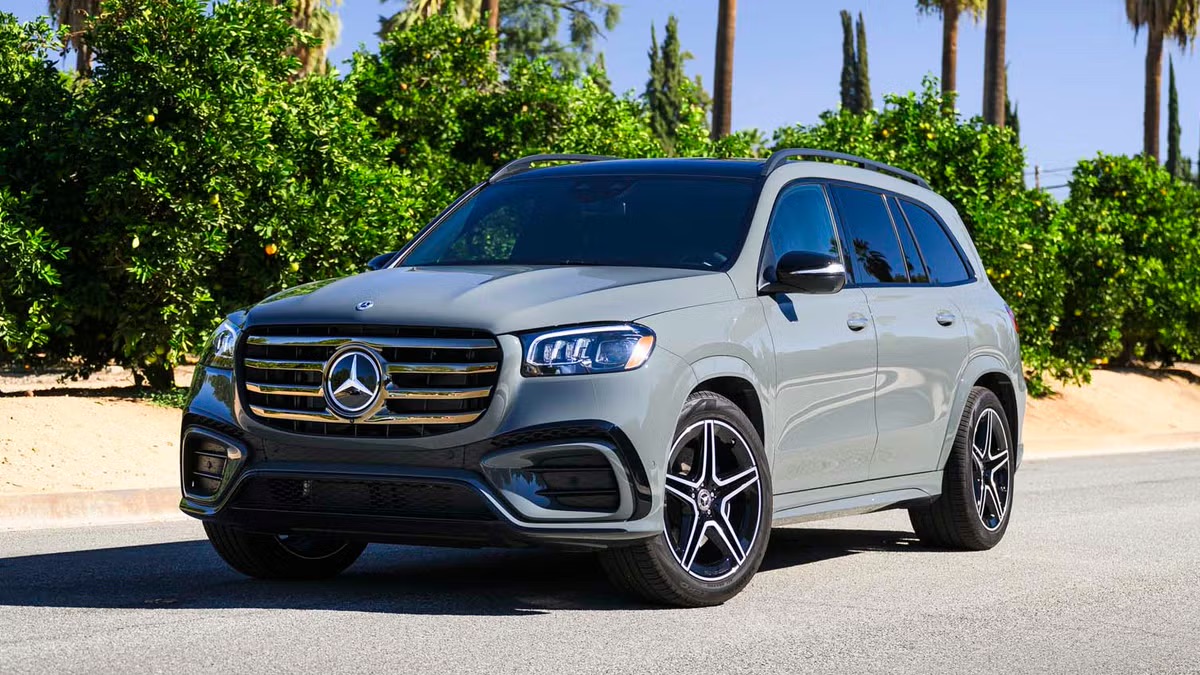
Mercedes-Benz GLS
What It Does Well
- Smooth, upscale drive
- Polished three-row layout
- European luxury appeal
- Prestige-focused cabin
How It Falls Short
- Higher long-term costs
- Complex tech systems
- Tighter third row
- Less everyday ease
How It Compares to the Full-Size Range Rover
The Mercedes-Benz GLS gives shoppers a direct European alternative to the full-size Range Rover. It offers strong brand recognition, a refined interior, and a comfortable ride that makes it a natural part of this comparison.
Where the Navigator separates itself is in ownership confidence. It’s engineered for American roads, built with long-term durability in mind, and delivers a more predictable ownership experience than the GLS’s complex systems and higher maintenance demands.
Buyers who want full-size luxury without the long-term friction often associated with German brands will find the Navigator’s reliability and cost stability especially reassuring.
Its simpler, more intuitive tech interface also stands out—offering ease of use that contrasts sharply with the GLS’s MBUX-heavy control layout, especially during daily driving around Savannah, Hilton Head, and the Lowcountry.
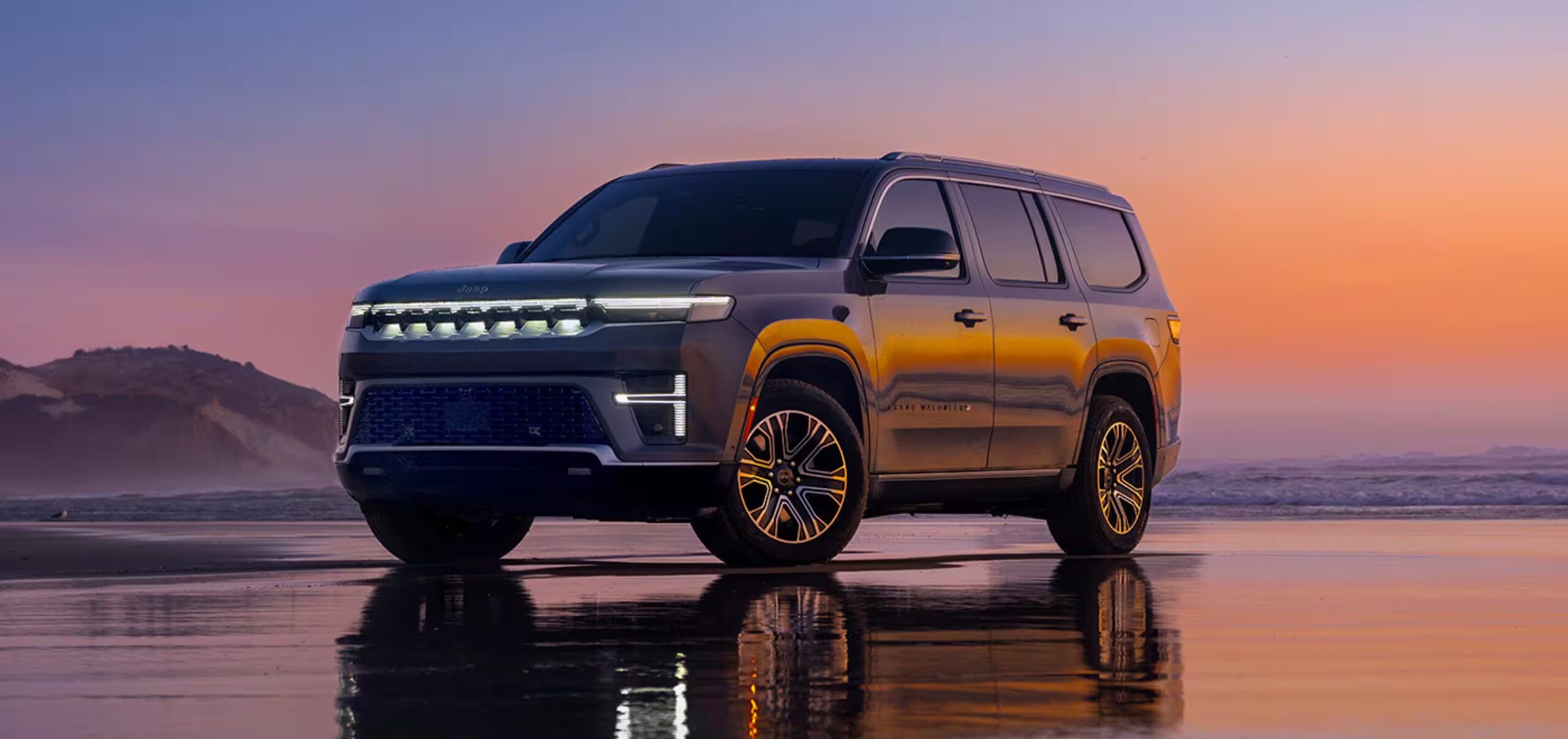
Jeep Grand Wagoneer
What It Does Well
- True full-size scale
- American luxury character
- Strong towing ability
- Traditional SUV presence
How It Falls Short
- Heavier overall feel
- Lower fuel efficiency
- Bulkier around town
- Less refined ride
How It Compares to Full-Size Range Rover Alternatives
The Grand Wagoneer broadens the landscape for shoppers considering full-size Range Rover alternatives. It brings size, capability, and a distinctly American flavor that appeals to buyers who want a flagship SUV with a more traditional stance.
The Lincoln Navigator takes that American luxury idea in a different direction. Instead of emphasizing sheer mass, it focuses on precision‑tuned ride quality, more balanced daily usability, and a cabin engineered for long-distance comfort.
It also delivers noticeably better efficiency than the Grand Wagoneer—an advantage that matters on frequent Lowcountry drives and long I‑95 stretches.
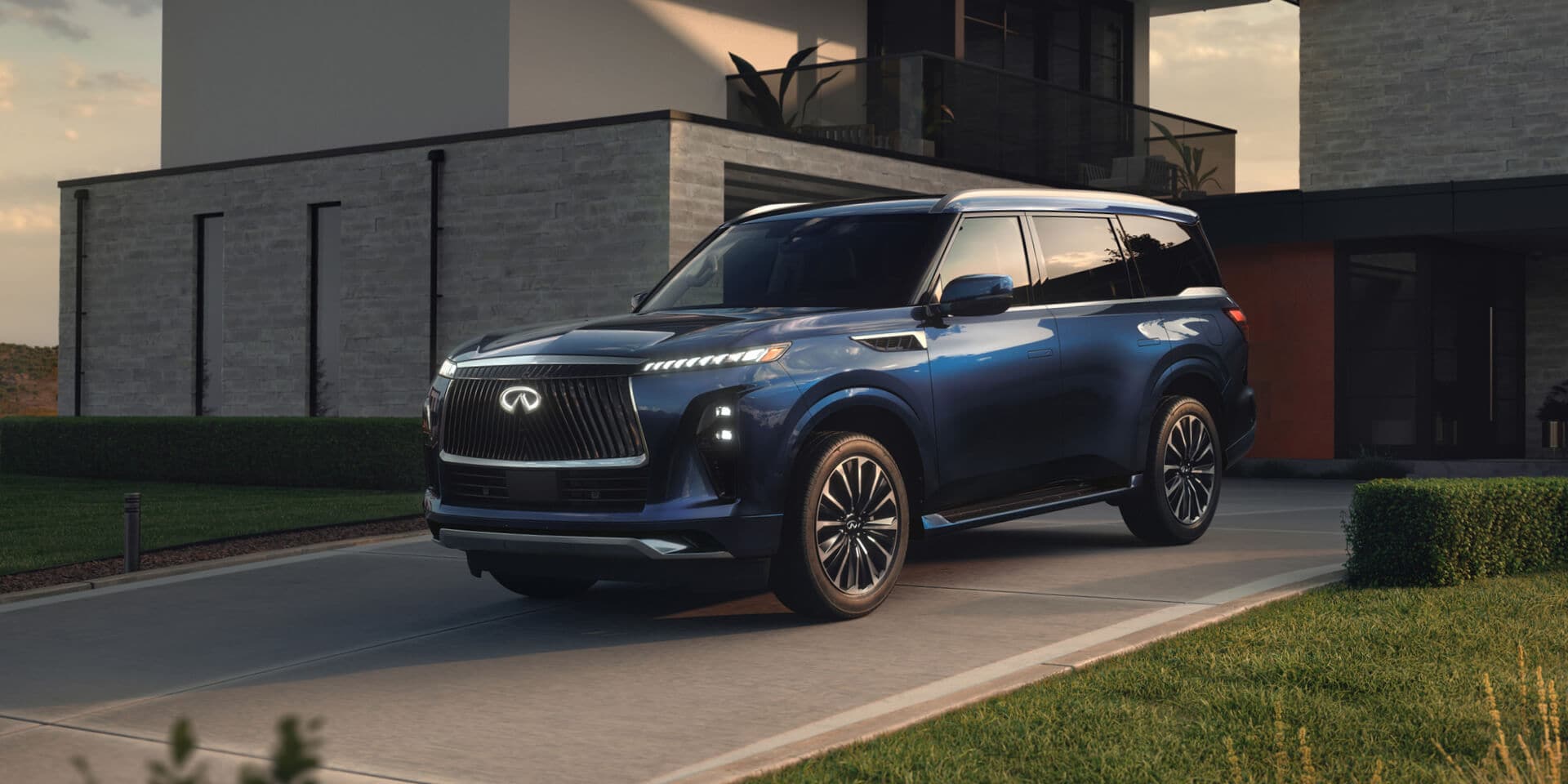
Infiniti QX80
What It Does Well
- Full-size cabin space
- Straightforward driving feel
- Strong V8 presence
- Traditional luxury formula
How It Falls Short
- Aging interior tech
- Lower fuel economy
- Less refined ride
- Limited modern features
How It Compares to Cars Like Range Rover
The Infiniti QX80 stands out among cars like Range Rover by offering size, comfort, and a more traditional luxury approach. It appeals to shoppers who want capability and presence without the complexity or cost structure that often comes with European luxury brands.
The Lincoln Navigator moves in a more modern direction. It brings advanced engineering, a more contemporary interior, and a technology‑forward flagship feel that reflects today’s expectations for premium American luxury.
It also delivers noticeably superior ride isolation—an area where the QX80’s older platform can’t match the Navigator’s smoothness on I‑95 and Lowcountry routes.
Interior materials and craftsmanship further separate the two, with the Navigator offering a more refined, modern cabin experience than the QX80’s aging layout.
Lexus LX

What It Does Well
- Durability-focused build
- Proven off-road capability
- Confidence in tough terrain
- Overbuilt SUV foundation
How It Falls Short
- Tighter interior packaging
- Lower fuel efficiency
- Older cabin tech
- Stiffer on-road ride
How It Compares to Cars Like Range Rover
The Lexus LX appeals to shoppers looking at cars like Range Rover but wanting something built for longevity and real-world toughness. It’s a flagship SUV with a reputation for durability that stretches far beyond paved roads.
The Lincoln Navigator takes a different approach. Instead of emphasizing rugged capability, it focuses on luxury‑first road manners, delivering a smoother, more settled drive that better suits daily travel across Savannah, Hilton Head, and Beaufort.
It also offers superior third‑row comfort, an area where the LX’s tighter packaging and upright design can’t match the Navigator’s passenger‑first layout.
And while the LX excels off-road, its firmer, capability‑focused suspension results in a stiffer ride on pavement—an area where the Navigator’s smoother tuning provides a clear advantage for everyday use.
Ready to Experience the Lincoln Navigator in Person?
See how the Navigator compares to today’s top full-size luxury SUVs and explore the space, technology, and commanding design that set Lincoln’s flagship apart at J.C. Lewis Lincoln.
Why Many Drivers Choose the Navigator Over the Range Rover
We see this comparison come up constantly with shoppers from Savannah, Bluffton, Beaufort, and Hilton Head. Range Rover usually makes the shortlist early because of its prestige and design. But once drivers start looking at how a full-size luxury SUV fits into their daily routine, many begin leaning toward the Navigator instead.
For a lot of buyers, the decision comes down to comfort, space, and ease of use. The Navigator delivers a smoother, more isolated ride on I‑95, a more usable third row for adults, and technology that feels premium without being complicated. Those qualities matter on longer Lowcountry drives, where relaxed travel often outweighs heritage capability.
Navigator also gives shoppers more room to work with. Its passenger-first cabin layout, expansive cargo space, and available Navigator L make it easier to carry family, clients, luggage, or weekend gear without sacrificing comfort. Range Rover offers prestige and craftsmanship, but its tighter packaging and firmer tuning don’t always match the needs of larger households or frequent travelers.
That’s why so many Range Rover shoppers ultimately choose the Navigator. Some want a quieter highway experience. Some want a cabin that feels more intuitive. Some want the most comfortable third row. Others want a flagship SUV that feels effortless to live with every day. We help drivers work through those priorities constantly, and Navigator often ends up being the option that fits real-world luxury the best.
Related FAQs: Cars Like Range Rover
What SUV is most similar to a Range Rover?
The closest match depends on what draws a shopper to Range Rover. The Lincoln Navigator makes the strongest case for buyers who want a large luxury SUV with serious cabin space, strong towing confidence, and an upscale road presence. Buyers focused more on off-road heritage may also compare the Lexus LX, while those who want a bolder statement often look at the Cadillac Escalade.
Is the Lincoln Navigator a good Range Rover alternative?
Yes. The Lincoln Navigator is one of the clearest alternatives for shoppers considering the flagship Range Rover. It offers a spacious executive-class interior, strong twin-turbo power, available extended-length cargo flexibility, and technology like BlueCruise hands-free highway driving. It fits buyers who want luxury that works well for family travel, business use, towing, and longer highway trips.
How does the Lincoln Navigator compare to the Cadillac Escalade?
The Cadillac Escalade leans into bold styling, dramatic screen presentation, and unmistakable curb presence. The Lincoln Navigator takes a more composed approach with a cabin that emphasizes space, seating comfort, and polished travel. Escalade makes the louder statement; Navigator often feels more centered around passengers and long-distance usability.
Which large luxury SUV is best for family travel?
The Lincoln Navigator is a strong choice for family travel because it combines generous passenger room, useful cargo space, available Navigator L packaging, and confident power. It also suits buyers who need one SUV for school schedules, airport runs, weekend luggage, golf gear, and longer regional trips without stepping away from luxury presentation.
Is the Range Rover better off-road than the Lincoln Navigator?
Range Rover has the stronger off-road identity and heritage. That remains one of its defining strengths. The Navigator fits a different luxury buyer: someone who values space, towing confidence, road-trip comfort, and a high-end cabin more than trail-focused capability.
Where can I compare the Lincoln Navigator near Savannah?
J.C. Lewis Lincoln in Savannah offers new Lincoln Navigator models for shoppers comparing Range Rover, Escalade, BMW X7, Mercedes-Benz GLS, Grand Wagoneer, Infiniti QX80, and Lexus LX. The Navigator is especially relevant for drivers across Savannah, Bluffton, Beaufort, Hilton Head, and Hardeeville who want a large luxury SUV built around space, power, and upscale travel.
Why Trust J.C. Lewis Lincoln for Navigator Luxury in the Lowcountry?
For more than 100 years, we’ve served drivers across Savannah, Bluffton, Beaufort, Hilton Head, and Hardeeville by helping them choose vehicles that genuinely fit both their expectations and their lifestyle. That long-standing trust matters when you’re shopping at the flagship luxury SUV level, because choosing something like the Lincoln Navigator is rarely about surface-level features alone. It’s about selecting a vehicle that will represent how you travel, how you carry family or clients, and how well your SUV supports daily life across the greater Savannah area and the broader Lowcountry.
We believe Lincoln continues to stand apart because it delivers luxury through comfort, craftsmanship, confidence, and usability. The Navigator embodies that especially well with expansive three-row space, commanding design, twin-turbo power, advanced driver technology, and the kind of polished flexibility that can handle everything from business travel in Savannah to Hilton Head weekends or longer regional road trips. It’s a vehicle built for buyers who want flagship presence without sacrificing practical excellence.
At J.C. Lewis Lincoln, our experience with Lincoln goes beyond inventory. We help buyers evaluate whether Navigator is the right fit compared to competitors like Range Rover, Escalade, BMW X7, or Mercedes-Benz GLS by focusing on what ownership actually looks like over time. That means helping you understand where Lincoln’s strengths show up most clearly—in passenger comfort, luxury travel, cargo flexibility, and the full ownership experience. For over a century, our commitment has remained the same: helping Lowcountry luxury drivers choose with confidence.
How Else Can J.C. Lewis Lincoln Help?
DISCLAIMERS:
*MSRP excludes destination and delivery charges, taxes, title, license fees, and dealer-installed options. Actual dealer price may vary by model, trim, and equipment.
*EPA-estimated fuel economy figures are provided for comparison purposes only. Actual mileage will vary based on driving habits, vehicle condition, weather, and other factors.
*Cargo and passenger space figures may vary by wheelbase, trim configuration, seating setup, and optional equipment.
*Towing capacity shown reflects maximum manufacturer estimates when properly equipped. Actual towing capability varies based on payload, passenger count, accessories, trailer setup, and vehicle configuration.
*Driver-assistance technologies such as BlueCruise and Super Cruise require compatible roads, conditions, and feature availability. Drivers must remain attentive and follow all instructions for safe vehicle operation.
*Vehicle features, specifications, pricing, rankings, and competitor comparisons referenced in this article are subject to change and should be independently verified with the manufacturer or dealership.